Key facts
- SuperCam data confirmed light-toned Idubi rocks are not igneous and are rich in hydrated silica.
- The Perseverance team observed bright light-toned rocks at Idubi in the Lac de Charmes region outside Jezero crater.
- Candice Bedford, Purdue research scientist, wrote the NASA science blog update dated Nov. 16, 2026.
The Perseverance team observed bright light-toned rocks at Idubi, in Lac de Charmes beyond Jezero crater, and disclosed the findings in a Nov. 16, 2026 NASA science blog update by Purdue research scientist Candice Bedford.sources:
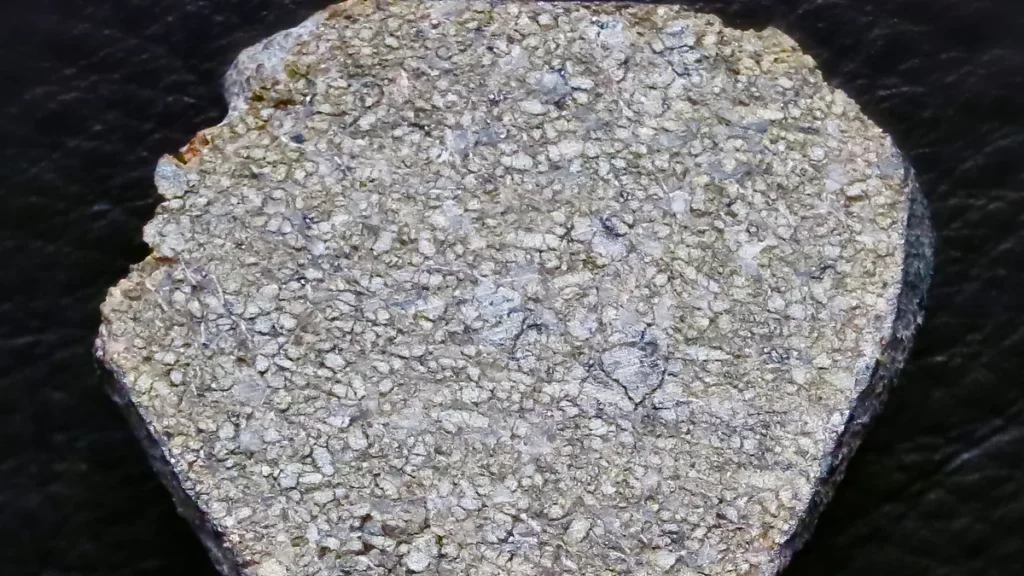
The rover team went after the Idubi cluster because it looked different from the usual igneous rock nearby. The bright rocks caught the team’s eye during the rover’s work in that area. Fresh data from SuperCam answered the question by showing hydrated silica instead of igneous material. SuperCam data found the Idubi rocks are not igneous and contain hydrated silica instead.sources:
The bright fragments stand out sharply against the darker, dust-covered Martian ground and exceed the brightness of the igneous and impactite rocks the team had already studied nearby. Earlier stops had examined igneous and impactite rocks nearby, but the new fragments appeared brighter than those earlier targets. That visual contrast motivated the team to direct the rover toward the Idubi cluster. Idubi lies in Lac de Charmes beyond Jezero crater as exposed ancient Martian crust.sources:
Hydrated silica forms in water-based settings on Earth, including hydrothermal systems, pedogenic or soil-forming processes, and groundwater. On Earth, the mineral appears in hot springs, in soil processes and in water moving below the surface. Bedford uses these Earth settings to explain how the mineral captures a record of past water. The formations show where water once interacted with rock and soil on our planet.sources:
Preserving microfossils, microscopic traces of ancient organisms, gives hydrated silica major astrobiological value. Bedford ties the mineral directly to the hunt for ancient life by wondering whether these pale rocks could contain signs of past biology. Scientists see preservation potential as the key reason these deposits matter. Bedford frames the pale rocks as possible carriers of signs from Mars‘ ancient biology.sources:
The Idubi silica deposits are prime targets for reconstructing Mars’ water history because water-related settings could have supported life. Bedford says these deposits help researchers piece together the planet’s watery past. The rock chemistry ties the formations to Mars’ past habitability. Learning how the silica formed tells researchers which wet settings once existed at the site, and each setting offers a possible context where ancient life might have persisted.sources:
The earlier silica deposits on Jezero’s inner rim lacked the size needed for close-up instruments to capture detailed data. The earlier encounter could not reveal how the rocks formed or whether they kept biosignatures, owing to their limited size. Bedford says Idubi offers a way to move past that earlier limitation, and the larger outcrop provides enough material for instruments to use up close.sources:
Scientists have begun a detailed proximity science campaign at Idubi because the rocks are large enough for close-up instrument work. Bedford says researchers could not study the silica deposits near Jezero’s inner rim up close because they were too small, so the larger Idubi outcrop is a rare chance. The campaign wants the detailed chemical and mineralogical readings that the smaller rocks were unable to provide. Researchers intend those measurements to constrain how the silica formed and whether it preserved biosignatures.sources:




Join the discussion