
Key facts
- In June, Blue Origin said it had not yet found the cause of the explosion.
- The next flight was due to carry 48 Amazon Leo internet satellites, and the FCC has already reduced Amazon's spectrum priority for late-launched satellites.
- Blue Origin's Blue Moon lander is set to fly on New Glenn as part of NASA's Artemis programme to put astronauts on the Moon.
- The vehicle has flown just three times since January 2025 and remains years behind schedule, leaving SpaceX far ahead.
Blue Origin chief executive Dave Limp said in a staff memo seen by Bloomberg that New Glenn will resume flights in January 2027 from Cape Canaveral, Florida. “Returning New Glenn to flight remains our top priority,” Limp wrote. The memo came after an engine test on May 28 at Cape Canaveral, Florida, destroyed the rocket, an accident that also badly damaged Blue Origin’s only launch pad there. Bloomberg said the Financial Times first broke the news, while Blue Origin declined to comment.
Earlier, Blue Origin had committed to flying New Glenn again before the end of 2026 after the May 28 blast on its launch pad. Dave Limp wrote on X that the company would launch again before the end of 2026 after the May 28 explosion, adding that a preliminary survey of the launch site was complete and that key tanks and the water tower were in good shape.
Work on rebuilding the damaged pad has taken six months, and Limp blamed bad summer weather for slowing it. In June, Blue Origin said it had not yet found the cause of the explosion. An explosion on its sole launch pad in May grounded the rocket, delaying Amazon Leo satellites and NASA’s Moon plans.
At LC-36A, Limp said the tanks holding propellant farm fuel, oxygen, liquid hydrogen and liquefied natural gas (LNG) were in good shape, and he said the water tower was in good condition too. Those tanks require long lead times, so the company confirmed it would press ahead with rebuilding LC-36A. Blue Origin plans to rebuild the LC-36A site for the 7×2 New Glenn variant instead of building the larger LC-36B pad for the 9×4 version; in that designation, the figures count engines in the first and second stages.
The May 28 test damaged the launch-pad transporter-erector that carries New Glenn from its integration hangar beyond repair. Limp said Blue Origin will not build a replacement transporter-erector and will instead adopt an alternative vertical conop (vertical concept of operations). The company had already been working to replace the transporter-erector with an alternative vertical conop and will now move directly to that approach.
Ars Technica suggested that the roughly six-month timeline set by Limp may reflect a wish to avoid talk of launching Blue Moon aboard SpaceX’s Falcon Heavy rocket. The firm aims to resume flights quickly with the 7×2 booster variant, which had performed well before.
The rocket has flown only three times since January 2025 and remains years behind schedule, leaving SpaceX far ahead. In July, reports said Blue Origin was seeking outside investment for the first time, valuing the company at $130B.
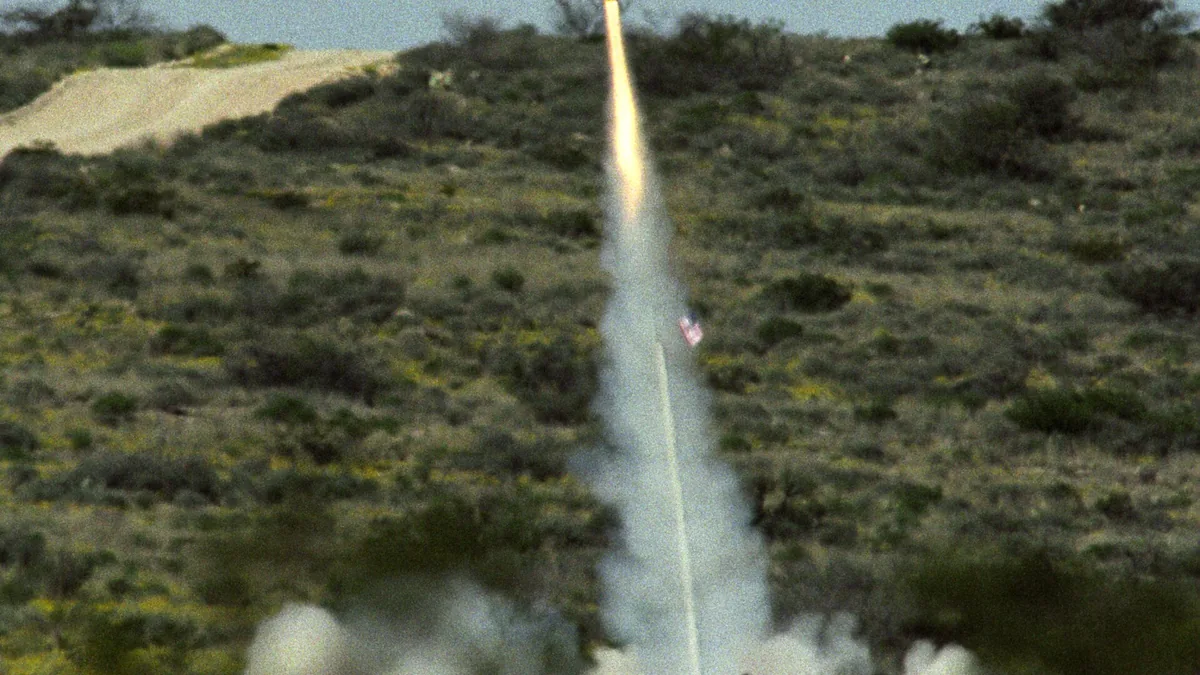
The upcoming flight was supposed to carry 48 Amazon Leo internet satellites, and the FCC has already reduced Amazon’s spectrum priority for satellites that launch late. The setback hurts Amazon, which is Jeff Bezos’ other company. Blue Moon, Blue Origin’s lander, is scheduled to fly aboard New Glenn under NASA’s Artemis programme, which aims to put astronauts on the Moon. cite_list:
Blue Origin announced in November 2024 a multi-launch deal with AST SpaceMobile to deliver next-generation Block 2 BlueBird satellites over a period of years. On April 19, New Glenn carried BlueBird 7, but its upper stage put the satellite into a lower-than-planned orbit, leaving it unusable. AST said it would deorbit BlueBird 7 and that it expected to recover the cost through insurance. At that time, AST was still targeting 45 satellites in orbit by the end of 2026.
AST SpaceMobile is targeting roughly 45 satellites in orbit by early 2027 without counting on a Blue Origin flight in 2026. The engine-test explosion in May disrupted Blue Origin’s return-to-flight preparations. Before the disruption, AST had been targeting 45 satellites by the end of 2026. Abel Avellan said the agreement “enables us to deploy more of our Block 2 BlueBird satellites in orbit.” cite_list:
Blue Origin plans to build three more launch pads and wants the FAA to increase the annual New Glenn launch limit from 12 to 50 at Cape Canaveral’s Space Launch Complex 36. Comments on the FAA’s September draft environmental assessment are due by the end of the month.
Jeff Bezos told Fox News on Wednesday that New Glenn was preparing to return in December after an engine-test explosion in May. He said the next New Glenn mission will carry Blue Ring, a vehicle for moving payloads between orbits and farther into space. He also described plans for three more launch pads and said launch frequency could eventually rise from daily to hourly and then every minute. New Glenn has a seven-meter fairing with twice the payload volume of standard five-meter-class commercial launch systems. cite_list:


Join the discussion