
Key facts
- NASA is targeting a late 2028 launch of Space Reactor-1 Freedom to demonstrate nuclear electric propulsion during a deep-space mission.
- SpaceNukes and Los Alamos National Laboratory will design, build, and test a Kilopower reactor with active control rods under the current agreement, moving past the passive setup used in KRUSTY in 2018.
- SpaceNukes will perform integration at its Medina, Ohio workshop, with Chief Engineer Marc Gibson leading the effort.
- Andy Phelps, SpaceNukes chief executive officer, said demonstrated technology has no substitute when U.S. national security objectives are at stake.
DARPA awarded Space Nuclear Power Corporation, also known as SpaceNukes, an Other Transaction Agreement on Oct. 21, 2026, to ground-test an autonomous nuclear reactor controller, with work centered in Los Alamos, New Mexico. The award comes under DARPA’s Fast Capacitance (Fat Cat) program.
Under the agreement, SpaceNukes and Los Alamos National Laboratory will design, build and test a Kilopower reactor with active control rods, moving past the passive setup used in the KRUSTY demonstration in 2018. An autonomous reactor controller is a system that regulates reactor power and responds to changing conditions without constant direction from operators on the ground. The work will proceed through design, procurement and integration gates ahead of the ground demonstration, yielding nuclear-tested hardware and an engineering basis for autonomous, actively-controlled reactor operation in missions that need dynamic power management and rapid response. The effort aims to support American industry in supplying reliable nuclear power for such missions.
Integration will take place at SpaceNukes’ Medina, Ohio workshop under Chief Engineer Marc Gibson, and the company, headquartered in Los Alamos, New Mexico, has workshops there using additive 3D printing and in Medina using thermal and vacuum capabilities. SpaceNukes operates under a Los Alamos National Laboratory license for Kilopower technology with the goal of deploying fission reactors in space. Its founders created the company because they see nuclear power as vital for Earth and space. The team includes Chief Technology Officer David Poston, Chief Operating Officer Patrick McClure and Chief Engineer Marc Gibson, who led the NASA Glenn program, along with former NASA Marshall engineer Omar Mireles and Chief Executive Officer Andy Phelps; the company says it assembles the core engineering and program management staff from the 2018 KRUSTY demonstration.
“This award recognizes the maturity and continuity of the team that designed, built, and tested KRUSTY in 2018,” McClure said, adding that SpaceNukes is proud to work with Dr. Dodson and Los Alamos National Laboratory to advance American nuclear power. Chief Executive Officer Andy Phelps said demonstrated technology has no substitute when U.S. national security objectives are at stake, and that the award advances work begun in KRUSTY and brings another tested capability forward for the nation.
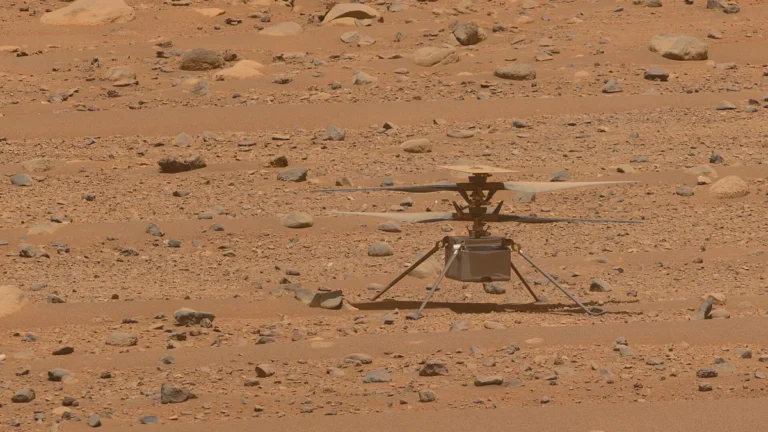
NASA is targeting a late 2028 launch of Space Reactor-1 Freedom to demonstrate nuclear electric propulsion, meaning electric thrusters powered by a reactor, during a deep-space mission. The reactor will stay off until the spacecraft leaves Earth orbit and will start 48 hours into the mission, after which the craft will head to Mars on reactor-powered electric thrusters. The spacecraft will carry the SkyFall science mission of three Ingenuity-derived Mars helicopters to gather data, demonstrate exploration zones, and find potential water sources.
Sierra Lobo Inc. will supply SR-1 Freedom‘s closed Brayton cycle power conversion system, which turns reactor heat into electricity for nuclear electric propulsion, under a 2024 contract at NASA Glenn in Cleveland. The system will integrate with a fission reactor designed by the Energy Department’s Idaho National Laboratory to complete the nuclear power module. NASA and the Energy Department apply thorough safety standards to SR-1 Freedom, including interagency safety reviews, oversight by the NASA chief safety officer, regulatory compliance, and a safety design process focused on hazards, failure tolerance and nuclear safety. The reactor remains inactive until the spacecraft leaves Earth orbit.
NASA and the Department of Energy signed a memorandum on Oct. 8, 2026, called Accelerating American Leadership in Space Nuclear Power and Propulsion, covering testing, launch integration and operations, research and fuel production, and taking effect Nov. 1 with no new funding. NASA Administrator Jared Isaacman and Energy Secretary Chris Wright signed it at a White House Office of Science and Technology Policy summit. “Nuclear power will allow us to go farther, operate longer, and field more capable spacecraft and instruments than ever before,” Isaacman said. The memorandum follows a December 2025 executive order that called for a lunar surface reactor ready to launch by 2030 and allowed sixty days for the presidential science advisor to begin a national space nuclear power initiative.
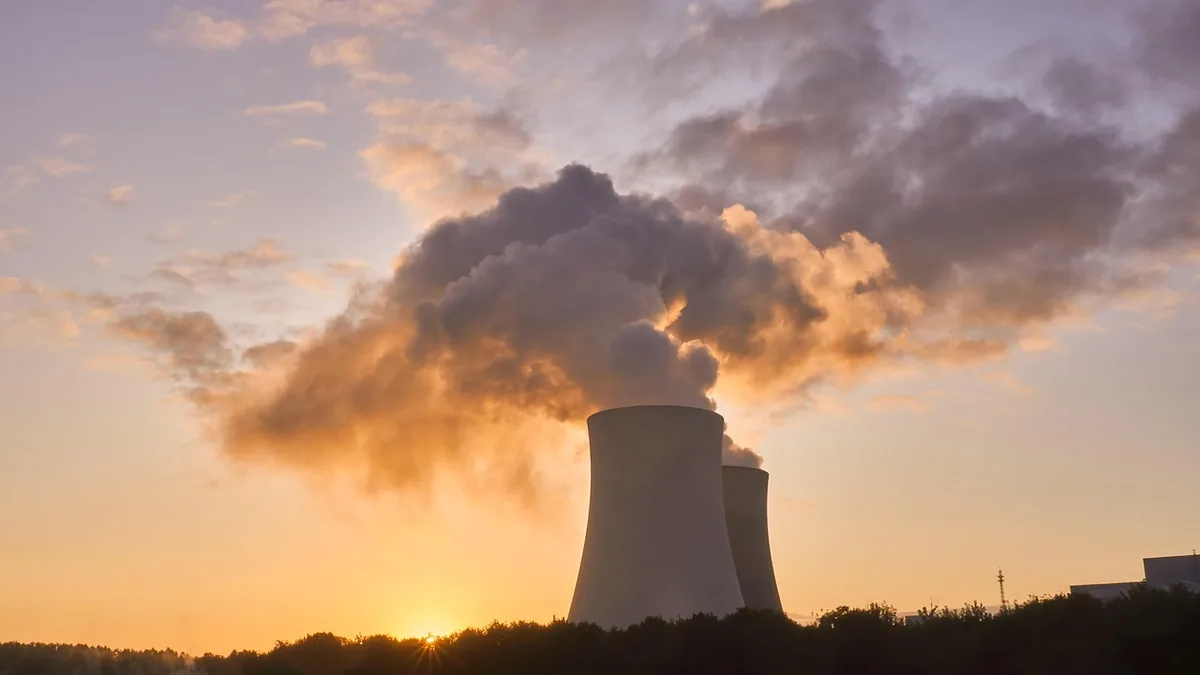
SR-1 Freedom serves to inform and enable Lunar Reactor-1, a fission surface power system meant to keep NASA’s planned Moon Base operating through darkness and where solar power alone is insufficient. Flying a reactor first without lunar landing complexity reduces nuclear flight risk, qualifies the supply chain and builds the workforce needed for future space nuclear missions, World Nuclear News reports. NASA is making steady progress with the Energy Department toward the 2030 goal.
Commercial nuclear power is moving in parallel. City Labs launched its BOHR betavoltaic CubeSat on July 7, 2026, as one of 81 payloads aboard a SpaceX Transporter-17 rideshare departing Vandenberg Space Force Base. A betavoltaic cell is a battery-like device that produces electricity from radioactive decay. The FAA authorized the launch on Sept. 30, 2025, after Sandia National Laboratories independently reviewed and validated the company’s safety analysis.
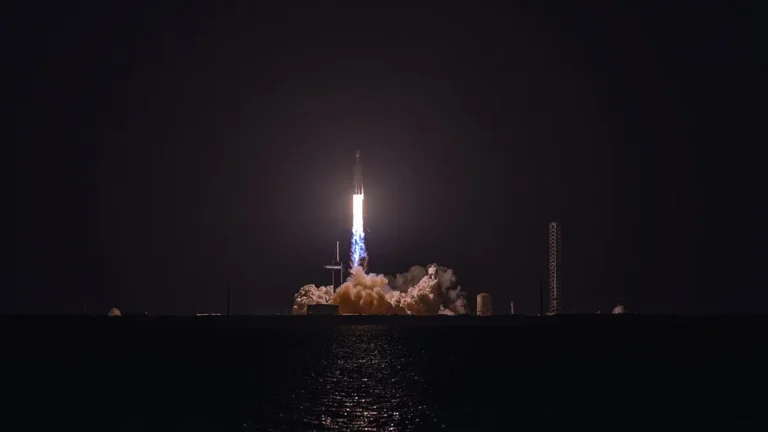
SpaceX’s Falcon 9 released the satellite into an orbit between 350 and 400 miles, nearly 600 km, in altitude, alongside 80 other payloads.
“This is a historic step for commercial nuclear power in space,” Cabauy said. City Labs rates its available P100 betavoltaic cells in nanowatts, at 50 to 350 nanoamps and $5,250 apiece, with a microwatt P200 in development, and the company holds Small Business Innovation Research contracts with the Air Force Research Laboratory, AFWERX, NASA and SpaceWERX.
Space Ocean, a Texas company, signed a Letter of Intent to test SpaceNukes’ 10-kilowatt nuclear reactor on its ALV-N satellite, potentially making SpaceNukes a core supplier for lunar and planetary missions. World Nuclear News reported that the agreement also covers fluid delivery system integration, data collection for Technology Readiness Level 9 certification, and a joint working group for space infrastructure and commercial opportunities. “Power is mission-critical, especially when you’re operating in the deepest parts of space,” said Paul Mamakos of Space Ocean. In May 2026, DARPA gave City Labs $1.5 million through Rads to Watts, one of seven picks, for watt-class cells seeking 10 watts per kilogram, and program manager Tabitha Dodson said the effort could yield kilowatts of transportable nuclear power.
NASA’s administrator laid out a pivot toward a permanent lunar base and nuclear propulsion in April 2026, and a PwC assessment in March named energy infrastructure the lunar economy’s primary bottleneck. Radioisotope power systems, which draw energy from the radioactive decay of isotopes and have been important since 1961, remain part of the portfolio. NASA’s Dragonfly mission to Titan will launch in 2028 and will use a Multi-Mission Radioisotope Thermoelectric Generator and 24 Lightweight Radioisotope Heater Units, and NASA and the Energy Department plan to provide 24 heater units to support the European Space Agency’s Rosalind Franklin Mars rover studying past and current life on Mars.

Join the discussion