Key facts
- The trials were carried out aboard sea cargo vessels crossing one of Southern Luzon's busiest inter-island sea corridors.
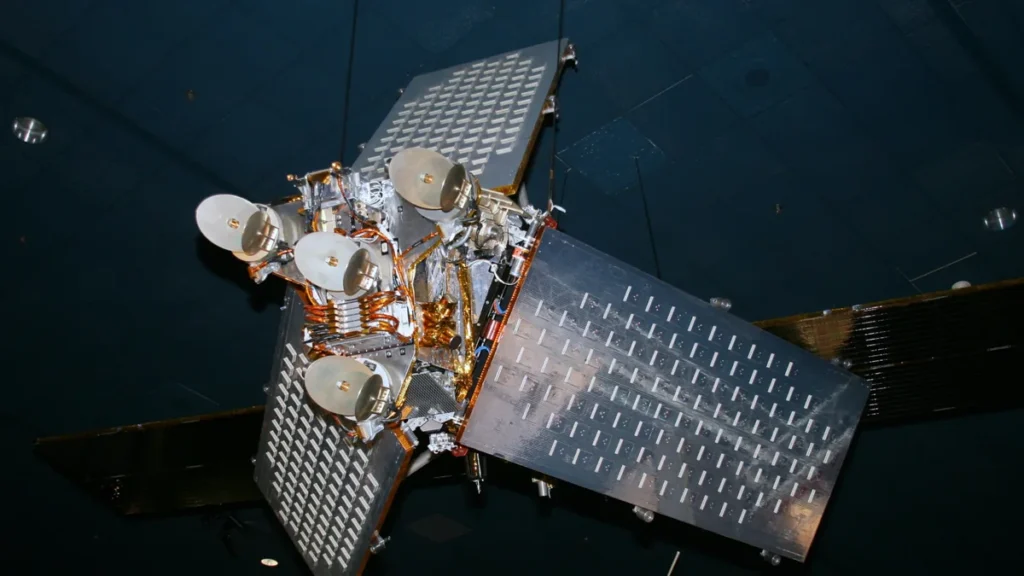
- Standard Long-Term Evolution phones linked directly to Elveo Mobile's low Earth orbit satellites; no specialized antennas or terminal equipment are needed.
- While the crossings took place, participants sent text messages from the vessels to people in Manila.
- Participants received emergency broadcast messages during the trials.
Elveo Mobile and Smart Communications, Inc., a subsidiary of PLDT Inc., announced on Nov. 23, 2026 the completion of live direct-to-device satellite connectivity tests on the maritime route between Batangas port and Calapan City in Oriental Mindoro.
Ordinary LTE handsets connected straight to Elveo Mobile’s low Earth orbit satellites during the crossings, and no specialized antennas or terminal equipment were required. Engineering teams ran two-way sea trials aboard cargo vessels sailing between Batangas port and Calapan port in both directions along one of Southern Luzon’s busiest inter-island sea corridors.
Participants sent text messages from the moving vessels to people in Manila and received emergency broadcast messages during the crossings. Participants also reached the official Smart and TNT websites using mobile data connections while at sea. The trials tested emergency alert delivery together with messaging and web browsing, demonstrating that broadcast warnings can reach handsets at sea. Reaching carrier websites over mobile data showed general internet access rather than only messaging past the range of terrestrial towers.
The announcement says many Filipinos travel daily on the corridor connecting Batangas Port and Calapan City in Oriental Mindoro, placing the demonstration on a heavily used archipelagic route. Conducting the trials on a busy interisland transit corridor recreated real maritime conditions in an area with limited cellular coverage.
The sea trial follows previous Smart and Elveo Mobile satellite connectivity pilots in remote Philippine locations, including Catanduanes, Pagudpud and Laoag in Ilocos Norte, and Lobo in Batangas. The outlet Via Satellite said the company ran a direct-to-device satellite test on Catanduanes island earlier this year, before Lynk completed its merger with Omnispace and changed its name to Elveo.
Roderick S. Santiago leads network strategy and architecture at PLDT and Smart. He said the Philippines deals with unique coastal and maritime connectivity problems beyond the reach of cell sites, and the companies are evaluating direct-to-device satellite technology to add to the current network. “which can complement our existing network and enhance connectivity in remote and far-flung locations,” Santiago said. He described the trials as a method to simulate full capability, determine optimal service delivery, and ensure the best customer experience.
Menardo G. Jimenez serves as PLDT chief operating officer and network head. He said investments in complementary technologies back the mission to connect last-mile communities and make reliable communications available for public safety, disaster response, sea travelers, fishermen, and maritime workers. “Our investments in technologies that strengthen our network reinforce our core mission to connect last-mile communities,” Jimenez said. He linked the investments to PLDT’s central goal of serving last-mile communities and meeting everyday communication needs at sea.
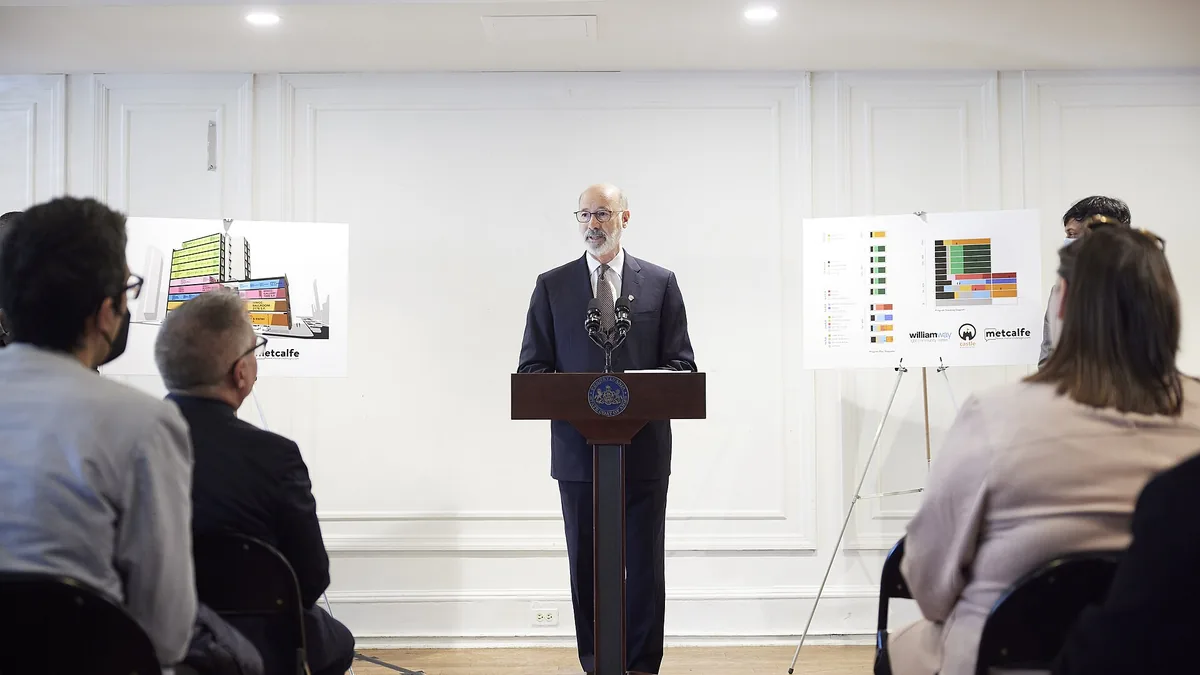
Daniel Dooley serves as Elveo Mobile’s chief commercial officer. He said no one should be unreachable on land or at sea, and that standard handsets can exchange messages, browse the web, and receive emergency alerts along busy sea routes. The trials belong to PLDT Group’s review of non-terrestrial network technologies intended for geographically isolated and disadvantaged areas.
The release calls the maritime test another step in PLDT Group’s review of satellite technology for reaching places without terrestrial mobile networks, building on earlier land pilots in remote provinces. The pilots fit into PLDT Group’s broader effort to test new technologies that improve customer experience across the country, reaching geographically isolated and disadvantaged areas.
Direct-to-device satellite links reach handsets when ground networks fail or suffer damage, adding an extra communications tier for coastal emergency teams and island communities in severe weather. According to the Nov. 23, 2026 release, Elveo Mobile’s emergency broadcast features might carry critical alerts and advisories in extreme weather and other emergencies affecting island communities. The release ties this feature to direct-to-device technology‘s power to link handsets straight to satellites when terrestrial networks fail, adding resilience for responders in coastal areas and at sea.
The efforts back United Nations Sustainable Development Goal No. 9 for industry, innovation, and infrastructure, and they advance the national digital agenda along with the country’s disaster preparedness and resilience framework. The initiatives rest on innovation and public service while advancing PLDT Group’s contribution to national digital connectivity goals.
Smart reaches roughly 97% of the Philippines’ population using its combined 2G, 3G, 4G LTE, and 5G network. The network offers mobile communications, high-speed internet, and digital services that support the Philippines’ growing digital economy. PLDT, Inc. ranks as the Philippines’ largest and only integrated telecommunications company, while Smart Communications, Inc. is a subsidiary that PLDT wholly owns and that provides wireless communications and digital services. Smart backs an increasingly digital Filipino lifestyle and the national digital economy as PLDT’s wireless division.
Elveo Mobile delivers reliable, next-generation satellite links straight to smartphones, IoT devices and machines around the world for enterprise, government and humanitarian users. Elveo presents itself as a globally inclusive non-terrestrial mobile connectivity company that delivers resilient, always-on network access to partners’ customers.




Join the discussion