Key facts
- Tantalus Rift samples showed a mantle carbon signature at about -5 to -7 per mil, consistent with magma from the outer edges of mantle plumes rather than the plume center.
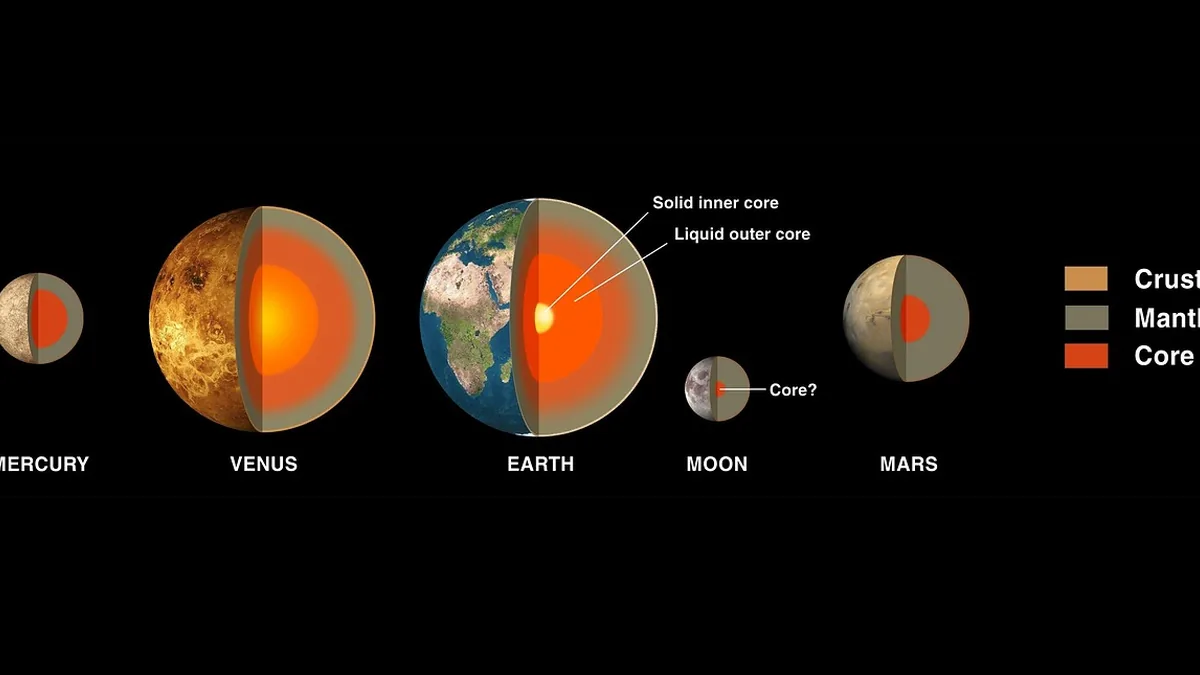
- Earth's mantle consists of solid rock and extends about 1,800 miles beneath the crust, while the outer core is a molten liquid layer roughly 1,400 miles thick surrounding the inner core.
- Moussallam said the isotopic fingerprint of core carbon should match the materials that formed the planet, and his team linked Kīlauea carbon to carbonaceous chondrites.
- Moussallam and colleagues say carbonaceous chondrites likely pelted Earth late in its formation, when the growing planet could hold onto more carbon from incoming objects, delivering material fundamental to life.
Columbia Climate School researchers published the study in the journal Proceedings of the National Academy of Sciences on Nov. 20, 2026, and it says much of Earth’s carbon came aboard carbonaceous chondrite meteorites — carbon-rich space rocks — late in the planet’s formation, based on an analysis of volcanic rocks from Kīlauea and the Tantalus Rift in Hawaii.
Astrobiology Web reported the findings in an article titled A New Origin Story for Earth’s Carbon.
Yves Moussallam of Columbia’s Lamont-Doherty Earth Observatory led the research. His team studied undegassed melt inclusions in lava — magma droplets encased so completely by crystals that dissolved gases could not escape — using a new method to measure carbon isotopes inside the sealed droplets. Moussallam described these melts as fossils of the magma.
Carbon in the Kīlauea samples carried an isotope signature of about -1 per mil, a parts-per-thousand measure of heavy versus light carbon, heavier than the typical mantle range around -5 to -7 per mil. Researchers say that difference indicates mixing with carbon probably from Earth’s core, while Tantalus Rift samples instead matched the typical mantle range at values around -5 to -7 per mil, matching magma from a plume’s outer edges rather than its center. Earlier research tied that mantle-range signature to typical mantle carbon, while Kīlauea’s heavier reading stood out as unusual.
Mantle plumes are buoyant columns of rock that start at the core-mantle boundary, melt as they near the crust, and fuel volcanic eruptions, creating a route that brings deep material up to the surface. Scientists believe Kīlauea’s magma comes from the center of a plume rooted at the core-mantle boundary. Prior research found that outer-core material can travel into the mantle, and plumes can carry it to the surface. Earth’s mantle consists of solid rock extending about 1,800 miles beneath the crust, while the molten outer core is roughly 1,400 miles thick and surrounds the inner core.
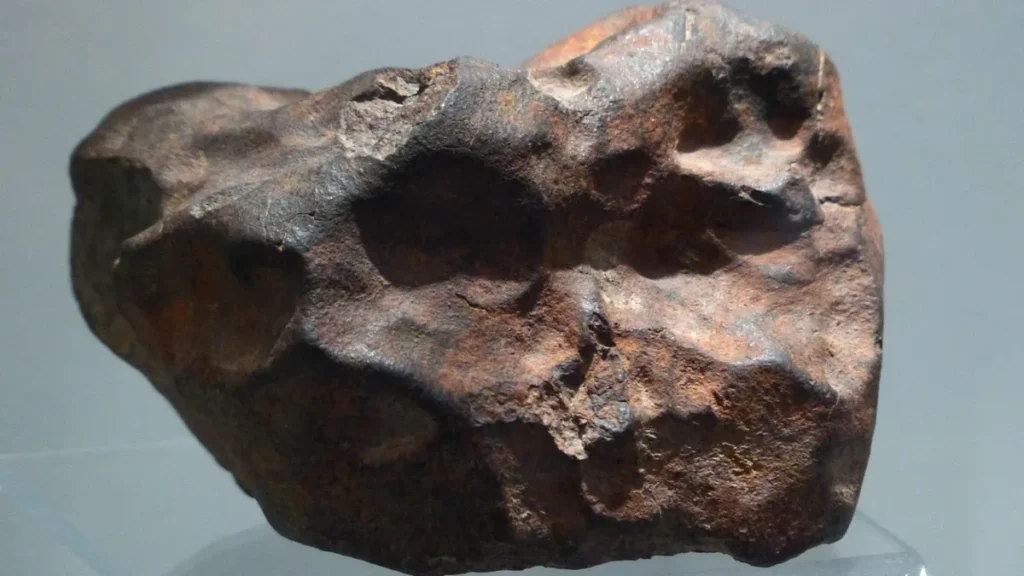
Scientists believe the core holds most of Earth’s carbon, though nobody has ever directly sampled it and probably never will. That is why researchers study indirect indicators, including gases trapped in volcanic crystals, to learn about carbon deep in the Earth. Moussallam said the isotope fingerprint of core carbon should match the planet’s building materials, and his team tied Kīlauea’s carbon to carbonaceous chondrites — carbon-rich space rocks older than 4.5 billion years that he described as building blocks for terrestrial planets.
Two kinds of chondrites exist: noncarbonaceous ones that formed in the inner solar system and carbon-rich carbonaceous ones from the solar system’s periphery. Experts have long disputed what part each type played in Earth’s history, which frames the study’s argument about which kind of meteorite delivered carbon to Earth. Moussallam and colleagues say carbonaceous chondrites bombarded Earth at a time when its growing mass could retain more carbon from incoming objects, material fundamental to life.
The research addresses how carbon, a building block of all life, became available on Earth and contributes to broader questions about planetary habitability and the conditions under which life can arise on Earth and other rocky planets. Moussallam called the core-origin explanation uncertain and said it needs more confirmation. Still, he said it is interesting to think some biosphere carbon may once have been tied to iron in the planet’s core before volcanoes brought it to the surface. Study coauthors represent Lamont-Doherty Earth Observatory, Yale University, Institut des Sciences de la Terre d’Orléans, the US Geological Survey, the University of Oregon, the University of Hawai’i, Brown University and UC Santa Barbara.

Join the discussion