Key facts
- NASA expects to choose its finalists by late 2027 and start training the new candidates in early 2028.
- The incoming group will mark NASA's 25th astronaut class, counting from the first Mercury Seven class in 1959.
- Other qualifying routes include certain STEM doctoral studies, qualifying medical experience, or meeting pilot standards.
- The Artemis II crew flew around the Moon in April, opening the lunar campaign.
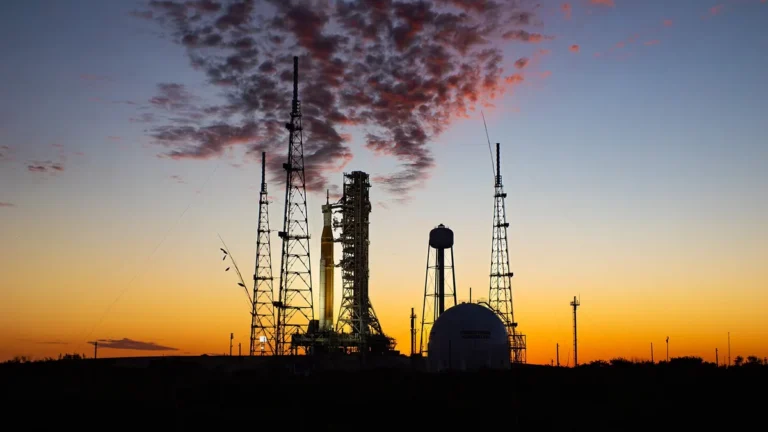
NASA opened astronaut recruitment Saturday at a Kennedy Space Center air show that paired the lunar call with aviation and technology, accepting applications for a new Artemis class to help build a permanent lunar base.
Artemis is NASA’s crewed lunar program. The call is framed around crewed lunar exploration and long-term lunar infrastructure development. The air show paired the astronaut call with a broader event promoting lunar exploration and advances in aviation and technology, and it opened the current application cycle.
The application window runs from the Saturday announcement through early December and closes Dec. 3, after which NASA will evaluate candidates. NASA expects to choose finalists by late 2027 and start training the new candidates in early 2028. Picking finalists in late 2027 lets training begin in early 2028, the year NASA targets for returning crews to the Moon after more than half a century away. The return is tied to the post-Apollo era.
NASA says it currently has just 32 active astronauts and needs more recruits to expand human presence beyond low-Earth orbit as quickly as possible. Low-Earth orbit is the region of space close to Earth. NASA’s last recruitment was two years ago; the previous drive drew more than 8,000 applicants but yielded only ten finalists in September 2025, setting a competitive benchmark for a program that must grow its corps quickly. The small corps exists while a campaign is already opening crewed lunar operations.
The incoming group will be NASA’s 25th astronaut class. Numbering continues a lineage that began with the Mercury Seven, NASA’s first astronaut class, in 1959. The class follows the Artemis II crew flying around the Moon in April. That April flyaround marked the beginning of crewed lunar operations and preceded the application cycle.
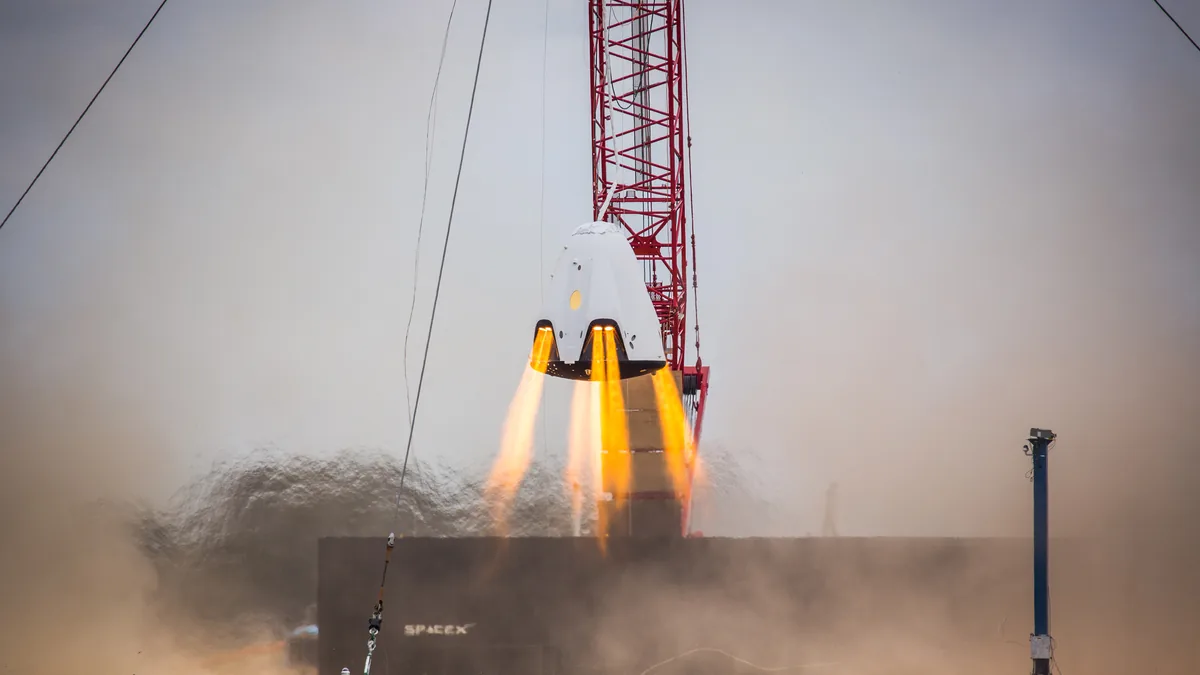
Artemis III commander Randy Bresnik and three crewmates will fly into orbit next summer to rehearse docking their capsule with two lunar landers built by SpaceX and Blue Origin.
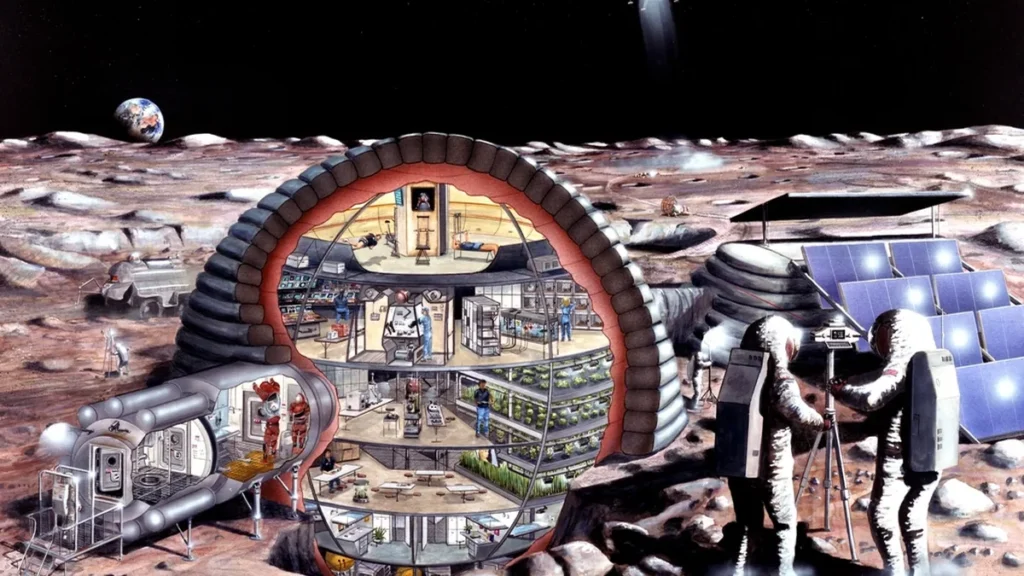
The Artemis III flight will stay near Earth without a lunar flyby and rehearse Artemis IV. Artemis IV, the following year after next summer, will attempt to land two astronauts near the Moon’s south pole. Sustained lunar infrastructure will be built through additional rovers, robots, structures and power grids sent to the Moon. Incremental cargo launches of those items are described as the means of creating a moon base.
NASA will proceed with a nuclear-powered, six-wheeled rover to survey terrain, gauge resource potential, pinpoint landing sites and support future infrastructure and exploration activities. Nuclear-powered means the rover uses onboard nuclear power. The rover is part of the same Saturday package of lunar-infrastructure announcements as the astronaut call.
Eight companies, including Blue Origin, Lockheed Martin, Northrop Grumman and SpaceX, were named by NASA to compete for delivery missions. Eight firms were named Saturday. The delivery contracts support the planned bases on the Moon’s south pole that the recruits would occupy. SpaceX is also listed among firms chosen for lunar deliveries.
Applicants must be U.S. citizens and hold a master’s degree in a STEM subject from an accredited school. STEM means science, technology, engineering and mathematics. Other qualifying routes include certain STEM doctoral studies, qualifying medical experience, or meeting pilot standards. The announcement listed the master’s-degree route as a basic requirement and separately described the alternate routes.
Scott Tingle, chief astronaut and chair of the Astronaut Selection Board, called the role more than a career opportunity and a chance to join a legacy of explorers. His remarks appear in the announcement’s reaction section alongside the recruitment call. The board he chairs oversees astronaut selection.
NASA Administrator Jared Isaacman said on Saturday that selected astronauts could walk on the Moon, live and work at the Moon Base, and help pioneer Mars-bound systems. Moon Base refers to the planned sustained lunar base. Isaacman said, “Those missions will demand technical excellence, sound judgment, teamwork, and courage.”
Randy Bresnik told The Associated Press on Saturday that the agency faces far more work than it has astronauts. Bresnik said, “we’re going to have people on the moon – so don’t delay”. He urged applicants not to wait, saying crews will be on the Moon by the time the selection and training timeline matures. Bresnik made the remark during the Saturday air-show announcement to justify opening applications.
Mandatory training runs two years and can be grueling, with several more years possibly passing before a candidate finally flies in space. Selection does not mean immediate flight because training is followed by additional years of waiting. The wait can be long.
Frank Rubio, identified with Artemis III, holds the U.S. record of 371 consecutive days in space and said patience is essential for astronaut candidates. Rubio’s endurance record is offered as context for the long waits candidates face during selection and before flying.


Join the discussion