Key facts
- Thales Alenia Space is jointly owned by Thales at 67 percent and Leonardo at 33 percent, forming the Franco-Italian joint venture that signed the contract.
- Compared with the first-generation Copernicus Sentinel-3 mission, the next-generation topography mission will keep observing oceans, ice, and inland waters by radar altimetry at improved measurement performance.
- Data delivered in under six hours will support flood management, drought response, ocean studies, sea level analysis, and sea ice and glacier monitoring once nearly complete ocean coverage is reached within five days.
- Radar altimeters beam microwave pulses at Earth's surface and measure the return-trip time to derive wave height, wind speed, and water surface height across marine and continental basins.
Thales Alenia Space announced on Nov. 23, 2026 from Toulouse that it signed a contract valued at more than €240 million with OHB System AG for altimeters on the first Copernicus Sentinel-3 Next Generation Topography satellite.
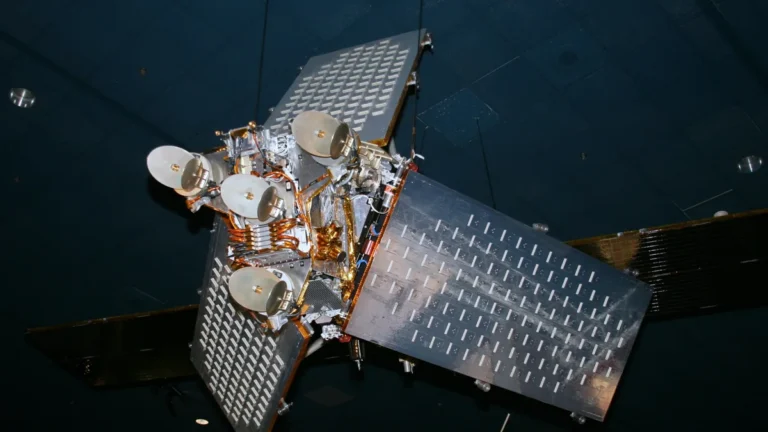
Thales Alenia Space is a Franco-Italian joint venture, with Thales holding 67 percent and Leonardo 33 percent, and it signed the contract. On the Sentinel-3NG Topography mission, Thales Alenia Space supplies the primary altimetry payload drawing on its radar and spaceborne altimetry engineering. OHB System AG serves as prime contractor, overseeing the overall space segment, while Thales Alenia Space contributes the specialized hardware used for the mission’s core measurement instrument.
The contract covers two instruments. A nadir synthetic aperture radar altimeter – a downward-looking radar using synthetic aperture processing to sharpen its measurements – continues Sentinel-3 program measurements, while the SAOOH wide-swath interferometric altimeter produces two-dimensional images of water topography across a swath totaling 100 kilometers. The first instrument preserves the measurement record of the earlier Sentinel-3 series, while the second adds wide-swath imaging capacity across a set geographic width.
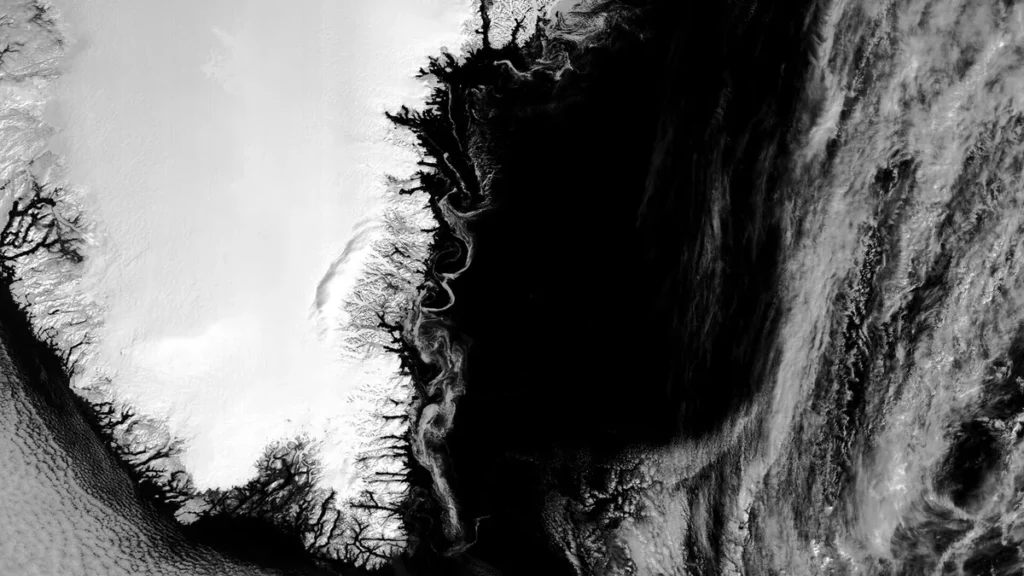
The next-generation topography mission will keep watching oceans, ice, and inland waters using radar altimetry at better performance than the first-generation Copernicus Sentinel-3 mission. The mission’s design centers on continuing the observation record and building directly on the heritage of the first-generation Copernicus Sentinel-3 spacecraft. Sentinel-3NG Topography is a core element of Copernicus, a program managed by the European Commission and paid for by the European Union with extra support from the European Space Agency. Copernicus serves as Europe’s environmental monitoring framework, with funding and management shared among European institutions, which places the Sentinel-3NG spacecraft inside a broader operational program.
Data delivery will take under six hours after nearly complete ocean coverage is achieved within five days, supporting flood management, drought response, ocean studies, sea level analysis, and sea ice and glacier monitoring. The company pointed to these coverage and latency numbers as measures of system performance, with uses that range from climate monitoring to emergency response.
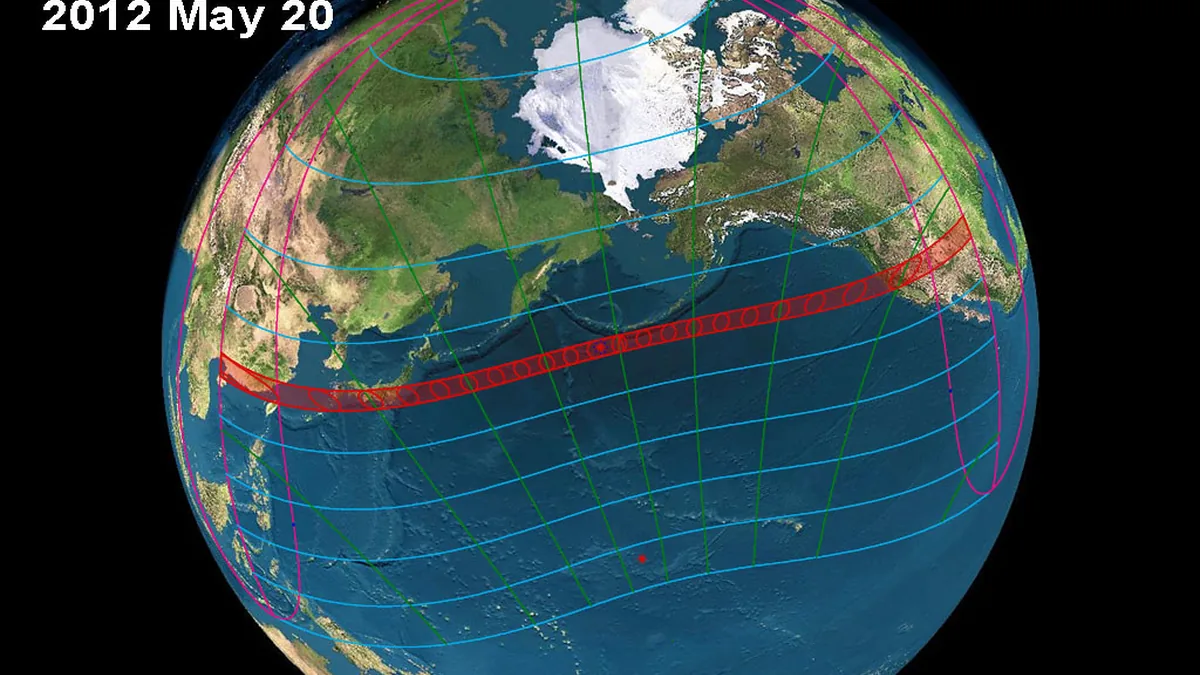
Radar altimeters send microwave pulses toward Earth’s surface and time the return trip to determine wave height, wind speed, and ocean and lake levels across marine and continental basins. This pulse-based ranging method allows the instrument to map sea-surface height, inland water levels, and coastal conditions with precision. Once the contract is signed, Thales Alenia Space will proceed with engineering work, building parts, and environmental tests on the altimeters before spacecraft integration, letting ESA and the European Commission move monitoring to the next-generation Copernicus constellation.
Work after signing moves toward spacecraft integration, and the payload is meant to keep sea-surface and inland-water observation running on the next-generation constellation. Herve Derrey, chief executive of Thales Alenia Space, said his teams would draw on their experience with spaceborne altimetry for this Copernicus mission, referencing earlier work on Sentinel-3, Sentinel-6 and SWOT. Derrey tied the award to the company’s long record in Earth observation, noting past contributions to several satellite altimetry and ocean missions.
Thales shares traded at 226.35 euros on Lang & Schwarz at 11:09:55 CET on Monday. The date was November 23, 2026, and the company did not release a new group earnings forecast alongside the announcement. The share price and trading venue accompany the contract news, and the company said any financial effect depends on execution and schedule instead of a revised earnings outlook.
The contract is among several recent space and defense projects involving Thales. The report puts the Sentinel-3NG award in a broader pattern of recent Thales work across the space and defense sectors.

Join the discussion