Key facts
- The FCC approved Amazon's acquisition of Globalstar on Oct. 27, 2026, removing the last regulatory hurdle for the deal.
- Amazon intends to pair Globalstar's airwaves and orbiting spacecraft with its Kuiper project to pursue direct-to-device service.
- The purchase brings Globalstar's two dozen satellites plus roughly 25 megahertz of internationally harmonized mobile-satellite spectrum into Amazon's network.
- Since April 2025, Amazon Leo has put nearly 400 satellites into orbit and plans to deploy thousands more in low Earth orbit by 2029.
The Federal Communications Commission approved Amazon.com Inc.’s acquisition of Globalstar on Tuesday, Oct. 27, 2026, clearing the final regulatory obstacle to the transaction. The commission said the decision advances direct-to-device satellite capabilities and broadens commercial competition in that sector. The deal was first announced in April 2026.
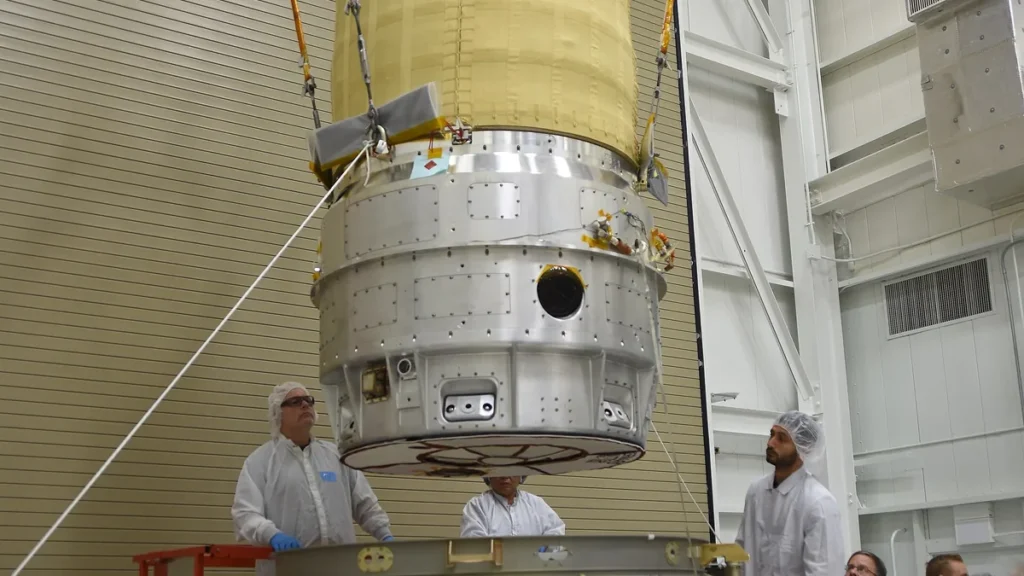
Under the deal, Amazon assumes control of Globalstar and its subsidiaries; Globalstar becomes a wholly owned Amazon unit that keeps its current brand name. Amazon plans to pair its Kuiper project with Globalstar’s airwaves and orbiting spacecraft to offer direct-to-device service. Under the purchase, Amazon gains Globalstar’s two dozen satellites plus roughly 25 megahertz of internationally harmonized mobile-satellite spectrum.
The commission cleared the deal because combining the companies would broaden competition in direct-to-device telecom, a sector where SpaceX already has an established position through Starlink Mobile. The commission found no horizontal or vertical competitive harms in the deal. FCC Chair Brendan Carr said the approval lets Amazon Leo provide fast next-generation satellite broadband services and boost competition, and the FCC linked the authorization to restoring America’s technology leadership and next-generation connectivity. “By approving this deal, the FCC has empowered Amazon Leo to deliver fast, next-gen satellite broadband services,” Carr said.
A single company, Yippy, opposed the acquisition during the public comment period.
Since April 2025, Amazon Leo has placed nearly 400 satellites in orbit and plans to send thousands more into low Earth orbit (LEO) by 2029. Amazon says its Leo satellite network is growing slower than regulators or the company anticipated, and the company sees Globalstar as a way to add capacity for linking smartphones directly to satellites. The company has asked the FCC for permission to launch up to 5,105 direct-to-device satellites using Globalstar’s L-band and S-band spectrum, radio bands for mobile satellite links, although sources disagree on whether the filing came in April or July 2026. Amazon said the fleet would fly alongside its first- and second-generation broadband constellations, Globalstar’s existing LEO network, and the next-generation C-3 system.
Globalstar’s non-geostationary C-3 System won U.S. market access approval from the FCC’s Space Bureau on Oct. 19, 2026, within a worldwide network of 12 orbital planes. The planned third-generation C-3 fleet totals 54 spacecraft: 48 operational low Earth orbit units and six spares kept in orbit. At 52 degrees of inclination, the satellites pass between 52 degrees north and 52 degrees south latitude.
Amazon Leo is a rival to Starlink, and the scale of Amazon’s investment is relevant to competing against SpaceX in the direct-to-device market. The FCC has also cleared a 248-satellite direct-to-device network operated by AST SpaceMobile. AT&T, T-Mobile US, and Verizon formed a joint venture to pool spectrum for direct-to-device satellite service in October 2026.

Apple’s stake in Globalstar is 20 percent. Globalstar supports satellite-based Emergency SOS and Find My on Apple’s iPhone and Apple Watch. Reports disagree on the size of Apple’s investment in Globalstar, with one report citing an equity deal worth about $400 million plus $1.1 billion in cash and others putting the total at about $1.5 billion. Apple purchased its stake in November 2024 and accounted for about 63 percent of Globalstar’s revenue last year.
Amazon expects to close the Globalstar deal in 2027 once outstanding regulatory and interagency reviews are complete. Amazon provided no comment when asked about remaining approvals for the deal. An Amazon spokesperson welcomed the agency’s review and its approval of the transfer of control over Globalstar’s licenses.
The FCC will vote on Thursday, Oct. 29, 2026, on advancing a wireless spectrum auction to support direct-to-device services. Sources dispute when Amazon will start commercial satellite operations: one report points to the end of 2026, another to 2028 for its direct-to-device system.
Globalstar started operations in 1991 as a joint venture of Loral Corporation and Qualcomm. Amazon has booked six Arianespace launches and began offering high-quality satellite internet service in Uzbekistan last month.




Join the discussion