Key facts
- Roscosmos is targeting a 5:13 a.m. EST launch on Nov. 24 of Progress MS-36 to the ISS on a Soyuz-2.1b from the Baikonur Cosmodrome in Kazakhstan, according to Next Spaceflight.
- Astronomy Magazine says NASA has kept the mission listed as fall 2026 or later without assigning a specific date.
- Coverage of the liftoff starts at 5 a.m. on Nov. 24.
- Arrival coverage begins at 6:30 a.m. on Nov. 26.
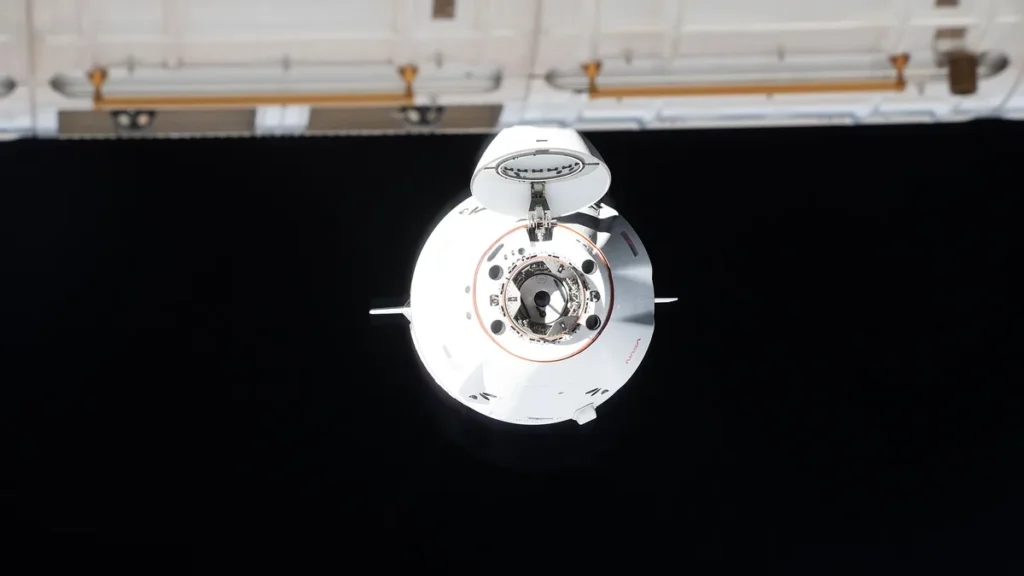
Roscosmos is counting down to the launch of an unpiloted Progress cargo craft from the Baikonur Cosmodrome in Kazakhstan on Tuesday, Nov. 24, 2026. The unpiloted Progress is a resupply spacecraft. It is carrying about three tons of food, fuel and supplies for the crew on the International Space Station, and NASA plans live coverage of both the liftoff and the station docking.
NASA sets the liftoff at 5:17 a.m. EST, or 3:17 p.m. Baikonur time, aboard a Soyuz rocket flying from Baikonur in Kazakhstan. The agency pairs the Eastern liftoff time with the Baikonur local time and names the Soyuz rocket and the Kazakhstan launch site.
Astronomy Magazine, citing Next Spaceflight, reports that Roscosmos is targeting 5:13 a.m. EST on Nov. 24 for Progress MS-36 on a Soyuz-2.1b from the Baikonur Cosmodrome in Kazakhstan. The magazine attributes the target time to Next Spaceflight and specifies the Soyuz-2.1b rocket and the Baikonur site.
Astronomy Magazine also says NASA had kept the mission listed as fall 2026 or later without assigning a specific date. The magazine contrasts its dated launch target with NASA’s public listing, which the magazine says remained a fall 2026 or later window with no date.
Coverage of the liftoff starts at 5 a.m. on Nov. 24, opening ahead of the 5:17 a.m. EST liftoff on launch day. Arrival coverage begins at 6:30 a.m. on Nov. 26, ahead of the scheduled autonomous docking. NASA plans to carry both events live through multiple platforms and tells readers where to watch online.
NASA says coverage will cover both liftoff and arrival while pointing readers to online options for watching.
The spacecraft will dock to the Rassvet module at 7:11 a.m. on Thursday, Nov. 26, 2026. After a two-day trip from Baikonur, Progress will use the station’s Rassvet port for the autonomous rendezvous, a docking that occurs without crew intervention.
The craft will remain attached for about eight months before leaving to re-enter Earth‘s atmosphere. After roughly eight months at the station, the craft is set to leave and disintegrate harmlessly over the Pacific rather than be recovered.
Continuous human presence aboard the International Space Station has lasted more than 26 years. NASA ties the decades-long crewed presence to science and research breakthroughs not possible on Earth.
NASA says the station helps it address challenges in human spaceflight, support commercial activity in low Earth orbit, and prepare for Artemis missions to the Moon and missions to Mars. The agency describes the outpost’s role in human spaceflight, low-Earth-orbit commerce, and long-duration exploration under Artemis and beyond.
The agency’s Nov. 24, 2026 release directs readers to the space station blog, the @space_station account on X, and the ISS Facebook and Instagram accounts to learn more about station activities. The agency lists these channels as ways for the public to follow ongoing station activities alongside coverage of the cargo resupply mission.



Join the discussion