Key facts
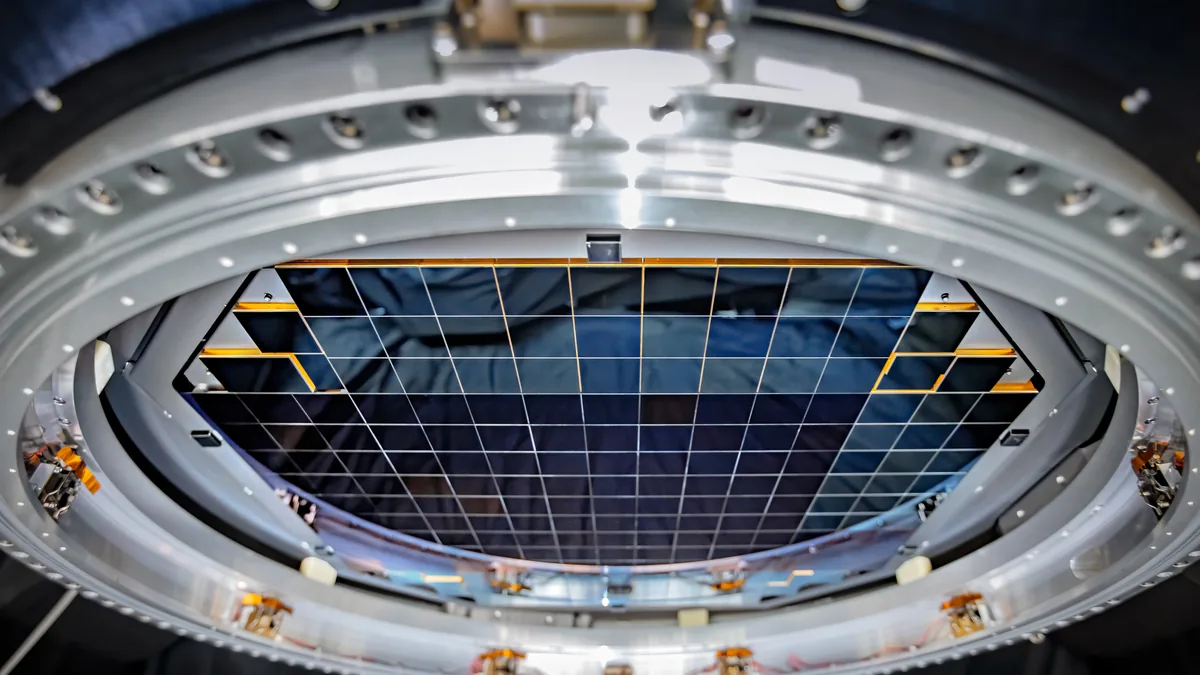
- ComCam produces 144-megapixel images, each covering a sky area equal to two full Moons, and is a smaller, fully functional version of the LSST Camera, the largest digital camera ever built.
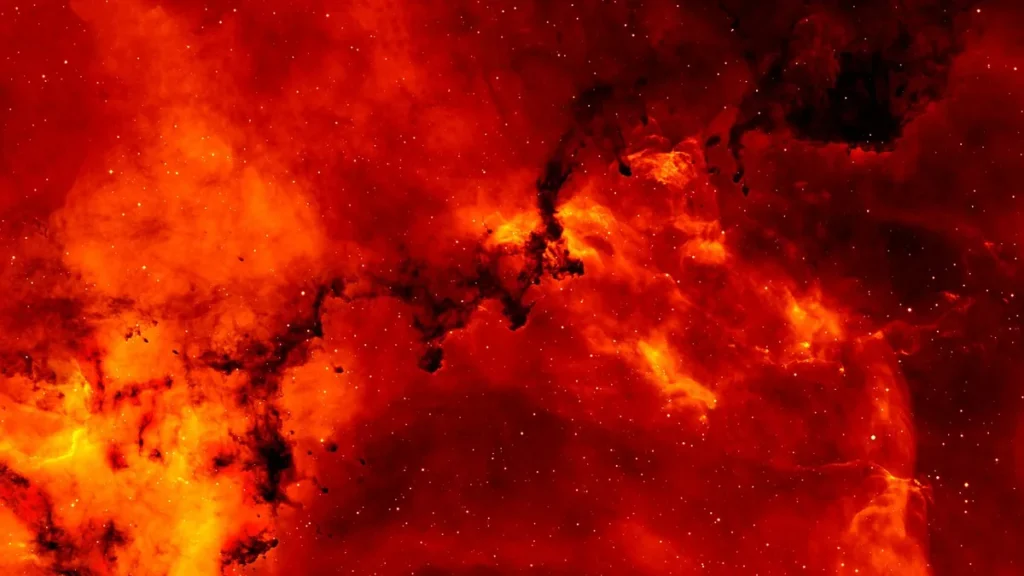
- The NSF–DOE Vera C. Rubin Observatory released a new Commissioning Camera image of the Seagull Nebula (IC 2177), a nebula about 3,700 light years away, to mark two years since ComCam testing began.
- EDP2 is not full LSST data, which has only recently begun, but is scientifically valuable and includes the COSMOS field and Ocean of Stars region released to mark LSST's start.
- An image of the complete Seagull Nebula by amateur astrophotographer Arnaud Geoffroy places the ComCam view in context and shows it captures the bird's head.
The NSF–DOE Vera C. Rubin Observatory shared a new view of the Seagull Nebula from its Commissioning Camera on Oct. 22, 2026, marking two years after ComCam testing began.
The Commissioning Camera, known as ComCam, produces 144-megapixel images, and each image spans an area equal to two full Moons. ComCam is a smaller working copy of the LSST Camera, the largest digital camera ever built. ComCam went onto the Simonyi Survey Telescope in 2022, spent seven weeks observing in late 2024, collected about 16,000 exposures, and was removed in December 2024. Its main testing job is complete, though it will still test LSST software and support maintenance operations.
The Seagull Nebula, cataloged as IC 2177, lies about 3,700 light years away. Three gas clouds make up the nebula, and the ComCam image highlights Sharpless 2-292, the cloud representing the bird’s head. An amateur image by Arnaud Geoffroy places the ComCam view in context, showing it captures the head. In the zoomed view, hot young stars emit radiation that clears dust and illuminates pink hydrogen gas, while dust lit by other young stars glows blue, showing intense active star formation.
A separate Rubin update on the COSMOS field and Early Data Preview 2 appeared July 31 and Aug. 3, 2026, distinct from the Oct. 22, 2026 Seagull Nebula release.
Rubin’s LSST Camera is a 3.2-gigapixel instrument on the 8.4-meter Simonyi Survey Telescope. It produced the observatory’s first LSST Camera science image of the COSMOS field in July and August 2026. The image holds more than half a million galaxies and more than 50,000 stars, while only a relatively small number of bright Milky Way stars appear in the foreground. It was assembled by stacking hundreds of separate observations, and the field looks away from the crowded Milky Way plane, giving a clear view of distant galaxies.
Study of COSMOS goes back more than two decades, starting with Hubble Space Telescope observations in 2003. The field has been observed across wavelengths from radio to X-ray, and its wide coverage makes it a key reference for checking data, comparing results and combining information from multiple observatories. Rubin plans to photograph COSMOS again and again using the LSST Camera, adding to past views and giving a dynamic view so astronomers can follow changes in the sky over time. More observing will create a deeper COSMOS view, revealing fainter galaxies and sharper details than the first image.
The COSMOS release was part of Early Data Preview 2, which Rubin calls its first data preview built from LSST Camera observations. It merged science validation data from April 2025 to January 2026 into a deep stacked image covering 3,000 square degrees, about one-sixth of the visible Southern Hemisphere sky. This preview is not the full LSST data set, which only recently started, but it is scientifically valuable and covers the COSMOS field and Ocean of Stars region. Another phase should arrive in the October–December 2026 window, bringing processed visit images, difference images that show detected changes, and template images.
Researchers in the U.S. and Chile and authorized international Rubin data-rights holders can currently access EDP2, and products become openly public after a two-year proprietary period. Bob Blum, the observatory’s director at NSF NOIRLab, said repeated COSMOS visits will yield many transient and variable objects, including supernovae, for follow-up study, and he dedicated the new COSMOS picture celebrating LSST science to people in Chile’s storm-struck Coquimbo area, calling staff safety and community help top priorities. “The COSMOS deep image is just the beginning for Rubin in this region,” Blum said. Phil Marshall, the deputy director at SLAC, said COSMOS is very important for LSST science because earlier observations and repeated targeting make it a valuable testing ground for scientists getting ready for survey data.

Join the discussion