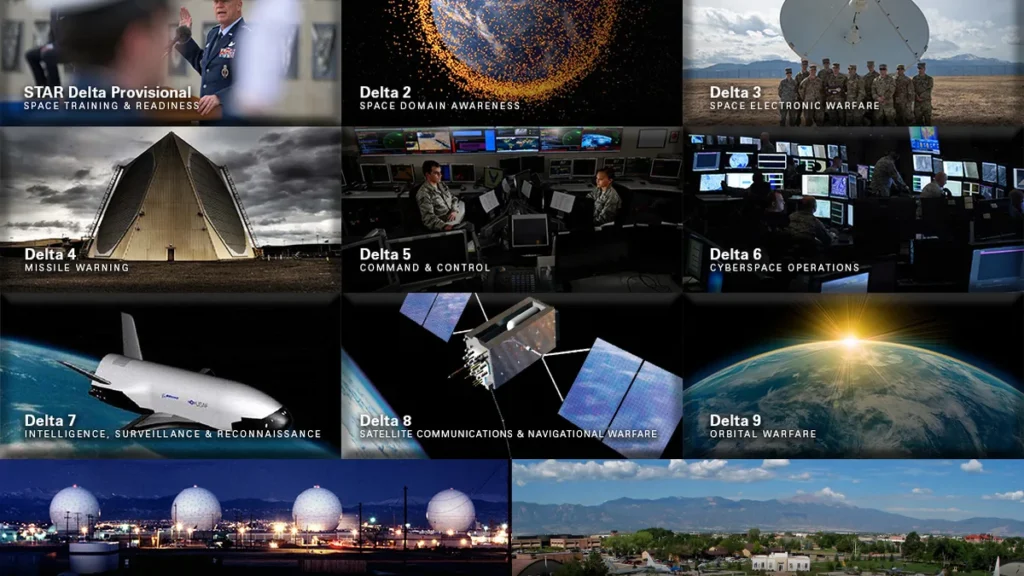
Six National Security Space Launch missions shifted from United Launch Alliance to SpaceX’s fleet on Oct. 21, 2026, the U.S. Space Force said, because Vulcan Centaur remains grounded..
Lt. Gen. Philip Garrant, Space Systems Command’s leader, disclosed the changes during an industry briefing on October 21, 2026. Garrant expressed confidence that Vulcan will return to flight, though the booster anomaly investigation has yet to produce an official return date. The grounded vehicle awaits that date, and no firm launch target has been defined..
Space Systems Command executed the reassignments under a contractual mission trade mechanism meant to protect national security launch schedules without cutting contractor revenue. Under the deal, near-term time-critical military payloads go to SpaceX’s Falcon 9 and Falcon Heavy rockets, while later National Security Space Launch missions await Vulcan Centaur after recertification..
It follows the earlier GPS III move to SpaceX after the Vulcan anomaly, a case that created a template for shifting national security payloads away from the grounded rocket to protect satellite schedules. The earlier step intended to keep critical positioning satellites from sitting in storage..
Vulcan Centaur has stayed grounded since Feb. 12, 2026, following a solid rocket booster anomaly during the USSF-87 mission. The rocket reached orbit, but a Northrop Grumman GEM 63XL booster on that flight showed a visible nozzle failure. The failure prompted reviews of ULA’s Vulcan shortly after liftoff. USSF-87 represented the second nozzle-related issue across four Vulcan flights, following a similar observation on the Cert-2 demonstration in late 2024..
Military officials then instituted a temporary suspension on operational defense payloads. The suspension followed repeated nozzle issues, and Vulcan has remained grounded since Feb. 12, 2026, pending the technical investigation..
Garrant would not detail interim findings from the joint investigation board or name a firm launch target. ULA and propulsion contractor Northrop Grumman continue structural checks and hot-fire tests to verify booster nozzle integrity..
Space Systems Command must grant clearance first, and the continued analyses seek to confirm nozzle integrity before Vulcan can resume operational defense launches. The rocket stays grounded pending clearance after the February 12, 2026 anomaly..




Join the discussion