Key facts
- Foundational's Retro-2 laser retroreflector system completed an on-orbit demonstration in July 2026, returning 6,111 laser-ranging shots from the ground during five low Earth orbit passes.
- Foundational says the retroreflector technology is meant to serve as a tracking device for spacecraft, letting ground stations monitor them even after they fall silent to help manage collision risks in crowded orbit.
- Experts have proposed big space nets or lasers to deorbit the smallest debris, while large satellites are increasingly deliberately deorbited or refueled to extend their operational lives.
- UK ADR is scheduled to launch in 2029 from Saxavord Spaceport in Scotland, which recently received £30 million in government funding to support the UK's sovereign launch capability.
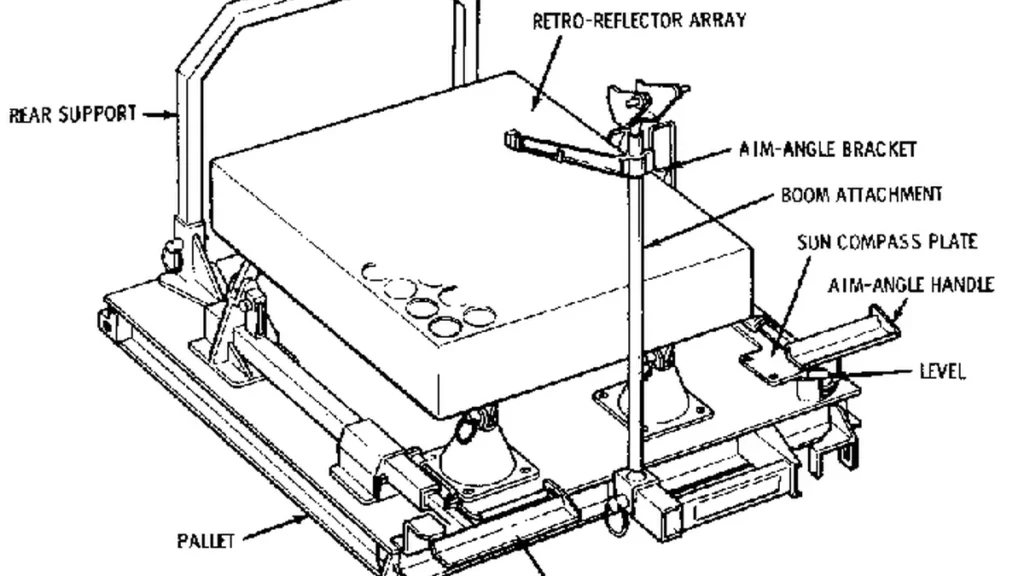
In July 2026, the London-based startup Foundational completed an on-orbit demonstration of its Retro-2 laser retroreflector system in low Earth orbit. Ground stations recorded 6,111 laser-ranging shots from the device during five passes. Foundational announced the results in a statement on Nov. 17, 2026.
The company says Retro-2 serves as a tracking device for spacecraft, allowing ground stations to keep monitoring them after they fall silent and helping manage collision risks as orbit grows more crowded. “Our tests have shown that a device weighing just 50 grams [1.8 ounces] can deliver millimeter-level ranging precision,” said Dave Gooding, Foundational’s co-founder and chief technical officer.
Retro-2 weighs 50 grams, or 1.8 ounces, and holds seven reflectors. The device delivered millimeter-level ranging precision and needs no electronics, power or commands from the spacecraft carrying it. The demonstration rode to orbit in July 2026 on SpaceX‘s Transporter-17 rideshare flight. The ION carrier craft, operated by Italy’s D-Orbit, hosted the small satellite carrying the payload.
The startup began in 2025 and came out of stealth last month. Its pre-seed funding totals £8.2 million, or $10.9 million. Foundational joins other companies working in debris removal, satellite servicing and debris tracking that raised money in 2026, including Starfish Space, which raised more than $100 million in a Series B round, Katalyst Space with $12 million, and India’s Cosmoserve Space.
ESA says millions of debris objects circle Earth, and even fragments are dangerous given orbital speeds. “According to NASA, there are currently 50,000 large trackable objects in space, with an estimated 100 million millimetre-sized pieces of debris,” wrote Anatolii Papulov. Most tracked debris flies between 500 and 800 kilometers up, moving at roughly 8 kilometers per second.
Phys.org estimates the total mass of space junk at 13,486 tons, including 36,000 pieces larger than 10 centimeters and tens of millions of smaller pieces and particles. Nearly 13,000 working satellites are in orbit today, and SpaceX has sought permission for up to one million additional satellites supporting AI data centres. Today more than 15,000 satellites orbit Earth; seventy years ago only the moon did. About 10,000 of the current satellites belong to SpaceX.
The debris threat to human spaceflight drives at least one collision-avoidance maneuver a year for the International Space Station. In low Earth orbit, debris typically moves at about 7 kilometers per second, so a collision can shatter a satellite and spawn more debris, possibly starting a Kessler syndrome cascade (a chain reaction of collisions) that renders regions of orbit unusable.
ESA warns that a 1-centimeter fragment can knock out a spacecraft or pierce International Space Station shields. The ISS crew took shelter in 2021 after a close pass with a cloud of Russian junk. Tracked debris objects number in the hundreds of thousands, moving faster than 17,000 miles per hour and able to damage infrastructure supporting GPS, weather forecasts and communications.
Foundational’s retroreflectors show tracking rather than removal. Proposed remedies for the smallest debris include big nets and lasers, and operators increasingly deorbit large satellites or refuel them to extend their operational lives. Proposals for active debris removal include nets, magnets, tethers, sails, slingshots and harpoons, but only a handful have been successfully tested in space.
Japan is testing wood as a material for spacecraft. Refueling can extend a satellite’s operational life, giving operators an alternative to discarding craft that run out of fuel. Spacecraft may now remain in their original mission orbits for five years rather than 25 under a tightened debris mitigation standard, so more spacecraft burn up in the atmosphere. At Very Low Earth Orbit of roughly 200 to 300 kilometers, atmospheric drag would clear debris within weeks rather than decades, though no commercial missions have operated there yet and a first commercial mission is scheduled for Q3 2028.
UK ADR, the UK government’s Active Debris Removal effort, has backing of more than £60 million. The goal is to take two defunct satellites out of orbit by 2032 with a refuellable spacecraft carrying giant robotic claws. The government committed more than £60 million to the effort. “Government backs new spacecraft with more than £60m to remove two defunct satellites from orbit by 2032,” GOV.UK said.
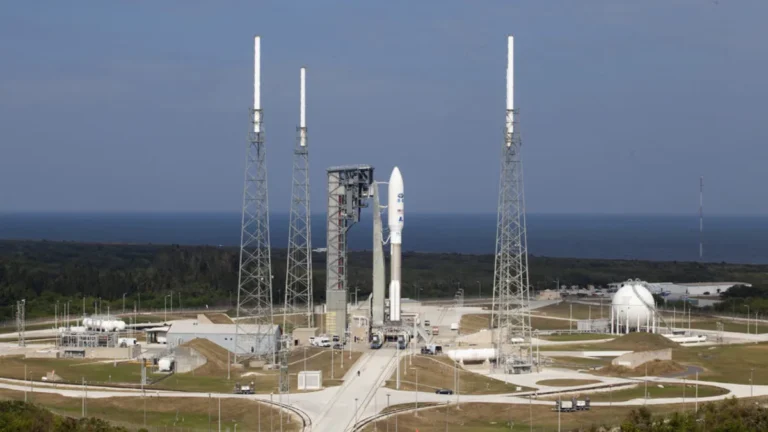
Launch is scheduled for 2029 from Saxavord Spaceport in Scotland. The spaceport received £30 million in government funding to build the UK’s sovereign launch capability. ClearSpace UK serves as the industry delivery partner for UK ADR. The UK Space Agency awarded ClearSpace an $81 million (£61.3 million) contract to build spacecraft carrying four specialized grabbing arms, which would capture defunct satellites and burn them up in the lower atmosphere.
Britain’s space sector is worth £18.6 billion and supports more than 55,000 skilled jobs. It forms part of the in-orbit servicing, assembly and manufacturing sector in the UK, expected to become a billion-dollar industry within the next decade. The National Space Strategy lists it among four priority areas.
Dr Alice Bunn, co-director of the UK Space Agency, said the mission advances capabilities for future in-orbit servicing, assembly and manufacturing. A public competition is open to name the UK ADR spacecraft.
Removal craft can push old satellites into graveyard orbits or tip them into the atmosphere. A list names the 50 most dangerous spacecraft, mainly abandoned rocket bodies. Proposed space traffic management would set orbital road rules limiting debris creation, coordinating activity and sharing information, but no globally agreed system exists yet.

Join the discussion