Key facts
- Finland's Minister of Defence Antti Häkkänen decided to create a dedicated Space Operations Centre at Air Force Command in Tikkakoski, near Jyväskylä, and it is scheduled to begin operations on 1 January 2027.
- Three ICEYE synthetic aperture radar satellites, ordered in September 2025 under cooperation with ICEYE, were placed in orbit during 2025 and 2026.
- ICEYE will operate the three satellites under an existing agreement until 1 April 2027, when operational responsibility passes to the Finnish Defence Forces.
- The military centre will work with the civilian space monitoring facility at the Finnish Meteorological Institute, and the two independent centres are expected to share information.
Antti Häkkänen, Finland’s defense minister, has ordered a dedicated Space Operations Centre at Air Force Command in Tikkakoski, near Jyväskylä, with operations due to start on 1 January 2027.
The center will open on 1 January 2027, and control of the three ICEYE radar satellites passes to the Finnish Defence Forces on 1 April 2027. Until then ICEYE keeps operating them under an existing agreement. The change ends reliance on an external operator’s services and lets Finland manage its own military satellite observation system independently.
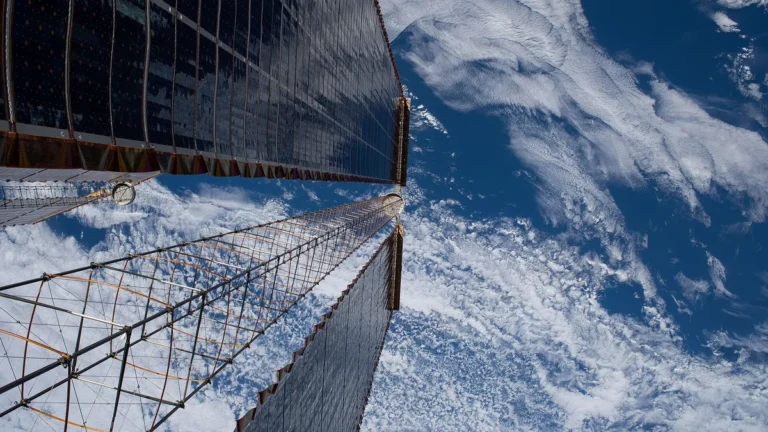
Finland ordered three ICEYE synthetic aperture radar satellites (which send out radar signals and study the reflections that come back from objects) in September 2025 as part of a cooperation arrangement, and the satellites reached orbit during 2025 and 2026. They form the most important tangible element of the program and will give Finland its own radar observation capability.
About 20 military and civilian specialists will initially join the center from other units of the Finnish Defence Forces. Officials expect staffing to grow over the coming years as national space capabilities develop, and they describe the unit as a lasting part of the defense system rather than a one-off administrative launch.
The Finnish Air Force calls the center the national command element for space defense and says it will supervise the Defence Forces’ own space capabilities. It will also create a military picture of the space situation beside the Finnish Meteorological Institute’s civilian center and work with allied and partner countries. The Ministry of Defence calls the center an early concrete step in Finland’s defense space strategy, with work on the strategy almost finished.
The military center will cooperate with the Finnish Meteorological Institute’s civilian space monitoring facility, and the two independent centers will share information. The civilian center backs national security and infrastructure protection, while the military center handles armed forces requirements and control of space capabilities.
Synthetic aperture radar satellites send out radar signals and study the reflections that come back from objects. That means they can take pictures at night, through clouds, and in bad weather without needing sunlight or clear skies. Optical observation faces limits during much of the year in Finland, so the ability to image regardless of weather is especially useful.
SAR pictures can watch infrastructure, changes to the ground, and activity at airports, harbors, and military sites, helping spot equipment deployments, new buildings, and activity that an opponent is trying to hide. Satellite data helps plan land, naval, and air operations, assess strike results, watch adversary activity, and confirm information from other reconnaissance sources. Finland intends to combine satellite data with information from ground, air, and sea systems into a single operational picture.
The center will develop military space situational awareness to figure out what is taking place in orbit and identify dangers to Finland’s space systems. It will collect defense-focused data on orbital activity. Cited risks include jamming of navigation signals, attempts to take control of systems, cyberattacks on ground infrastructure, and other space objects coming close to and disrupting satellites. Satellites supply communications and navigation along with terrain observation and data transmission needed for military operations, and losing them could also harm civilian infrastructure, transport, and energy supplies.
The center will manage cooperation with allied and partner countries, and Finland’s radar satellite data may help NATO’s northern flank reconnaissance and situational assessment work. Finland joined NATO in 2023, and alliance members add to their own space systems with information from partners and commercial companies. Officials in Finland say no one has announced any space weapons or satellite-destroying system, and the project focuses on observation, reconnaissance, resource management and cooperation with allies.
Join the discussion