Key facts
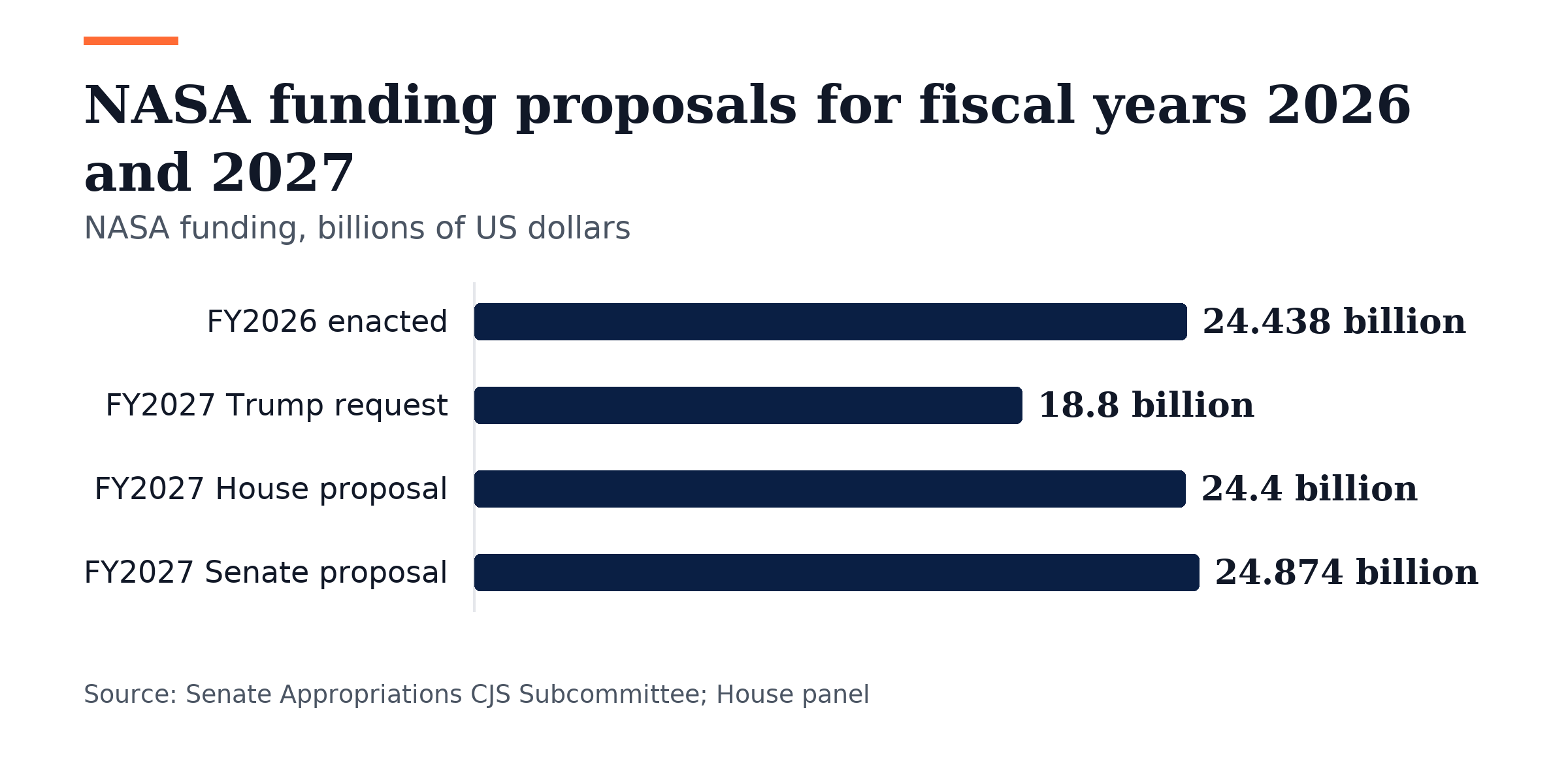
- The Senate Appropriations Committee's Commerce-Justice-Science subcommittee proposed $24.874 billion for NASA for fiscal year 2027.
- The Senate subcommittee's fiscal year 2027 NASA proposal exceeds the $24.438 billion that Congress approved for fiscal year 2026.
- The Trump Administration requested $18.8 billion for NASA in fiscal year 2027.
- The Senate Appropriations Committee released five fiscal year 2027 bills on November 12, 2026, including the Commerce-Justice-Science legislation that funds NASA.
The Senate Appropriations Committee’s Commerce-Justice-Science subcommittee proposed $24.874 billion for NASA for fiscal year 2027 on Nov. 12, 2026, SpacePolicyOnline reported. SpacePolicyOnline reported that the proposal exceeds the $24.438 billion Congress approved for fiscal year 2026. Both figures cover NASA’s total annual funding. The Senate subcommittee’s recommendation also tops the Trump Administration’s request of $18.8 billion for NASA in fiscal year 2027.
The administration’s request was far below the Senate subcommittee’s recommendation, and the source says the committee turned down the administration’s proposed reductions.\n\nThe Senate Appropriations Committee released five fiscal year 2027 bills on Nov. 12, including the Commerce-Justice-Science legislation that funds NASA. The CJS bill is part of a larger group of appropriations measures. None of the twelve fiscal year 2027 appropriations bills have cleared Congress yet. The Senate subcommittee recommendation is an early stage in the funding process, and final NASA spending remains subject to further House and Senate action.
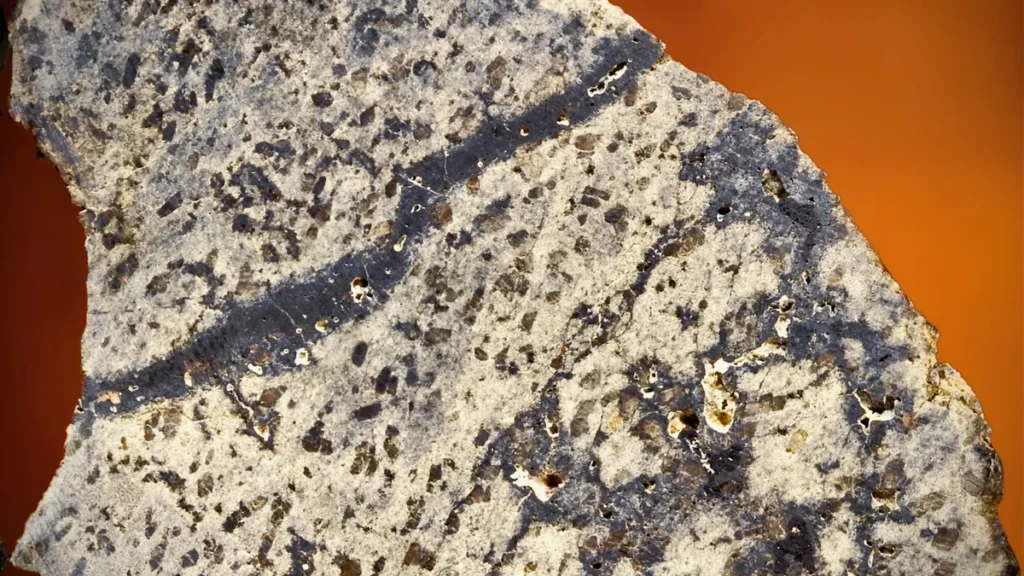
The full committee has not announced when it will meet to act on the subcommittee recommendations. The Senate subcommittee recommends $7.43 billion for NASA science programs in fiscal year 2027. That figure covers NASA’s science portfolio inside the larger agency topline and differs from the House’s earlier science number and from the administration’s request. The subcommittee supports Mars Sample Return as a critical strategic demonstration of capabilities needed for future human missions to Mars and for returning samples for scientific inquiry. The bill connects the sample-return effort to NASA’s human exploration goals for Mars. It directs NASA to integrate Mars Sample Return into the Moon-to-Mars program for use in human exploration rather than as a separate science mission.
The instruction places Mars Sample Return inside NASA’s Moon-to-Mars architecture, and it affects how the mission would be organized and justified within the agency. The future of the mission continues to draw significant attention from the committee.\n\nOn May 13, the House Appropriations Committee approved its Commerce-Justice-Science legislation and set NASA’s funding at $24.4 billion, refusing the administration’s proposed deep cuts. The House bill still requires approval by the full House. The House panel refused the administration’s proposed reductions and set its own topline.\n\nDemocrats objected to Commerce and Justice provisions, and the House bill advanced through its committee on a party-line vote.
The committee split divided members along party lines. The objection concerned sections of the bill outside of NASA. During House subcommittee markup, Democrats opposed providing $6 billion for NASA science programs. House Democrats objected to the science funding level during the subcommittee’s markup of the bill.\n\nThe House science figure of $6 billion exceeds the $3.9 billion request by $2 billion but is $1.3 billion below the fiscal year 2026 level, and the House science amount sits above the administration’s request and below the fiscal year 2026 level.\n\nNASA carried out a major reorganization earlier in 2026 that combined or restructured its mission directorates and budget accounts.
The agency restructured its internal organizations and budget accounts during 2026 after the budget cycle had already begun. The timing created a disconnect between the new structure and the legislation under consideration. The subcommittee’s report states that the changes occurred too late and without enough detail for inclusion in this legislation. The legislation also provides money for the Department of Commerce along with NOAA, plus the Department of Justice and the National Science Foundation. NASA shares the legislation with other federal agencies, and the bill covers Commerce, Justice, and science agencies together in one package. A Continuing Resolution currently funds the government, and it expires on December 11.
The stopgap measure keeps agencies funded while Congress works on regular appropriations bills, and its end creates a deadline for completing fiscal year 2027 spending. The full Senate Appropriations Committee has not set a date to meet and act on the subcommittee recommendations. The subcommittee completed its markup, and the next step in the Senate awaits action by the full committee, with no meeting date set.



Join the discussion