Key facts
- Subsequent launches will transition to Nova Block 2, a heavy-lift vehicle designed to deliver 15 metric tons to low Earth orbit, with the booster debuting in 2029.
- Planet Labs PBC's stock rose $1.73, or 13.8%, to $14.28 following the announcement on Nov. 9, 2026.
- Planet's Chief Space Officer James Mason was scheduled to speak at 11:55 am ET on Nov. 9, 2026, on a keynote panel at the Reuters Space & Satellite Summit about Planet's multi-provider launch strategy.
- Planet develops spacecraft through an agile aerospace process in which each new satellite generation builds on what the previous generation learned in orbit. Stoke announced the Planet agreement on Nov. 9, 2026.
Planet Labs PBC and Stoke Space Technologies announced a multi-launch agreement from San Francisco on Nov. 9, 2026, to place optical imaging satellites aboard Stoke’s reusable Nova rocket fleet.
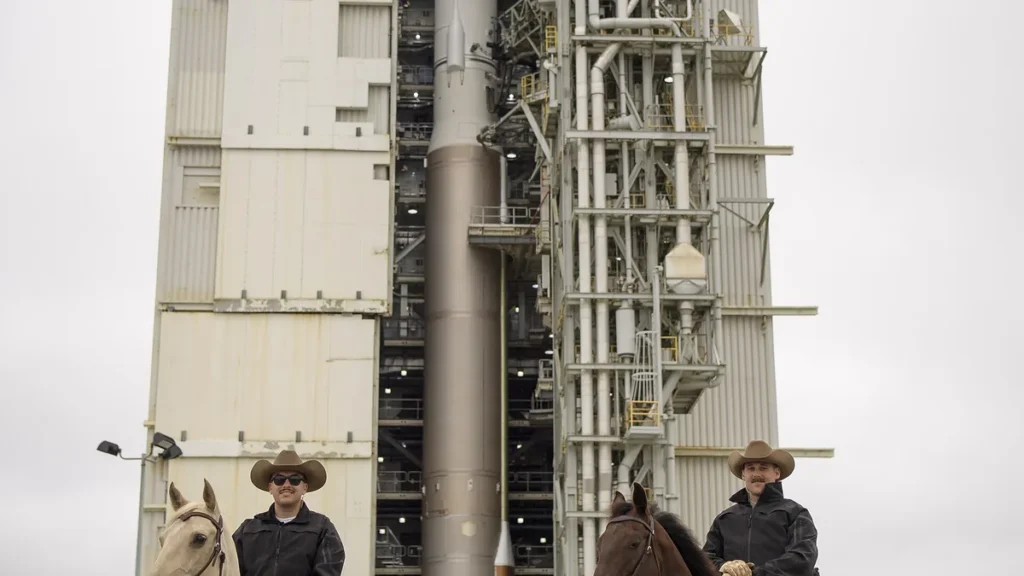
The missions will launch from Cape Canaveral’s Space Launch Complex 14, the historic pad where John Glenn flew the first American orbital mission in 1962. Stoke is expanding the complex at Cape Canaveral, and Planet’s satellites will fly from this pad under the new agreement. The first missions will fly on Nova Pathfinder, a vehicle able to carry three tons to orbit that will make its debut orbital flight in 2027 at Cape Canaveral Space Force Station.
Planet gains primary payload rights under the deal, letting the company pick launch dates and aim for specific orbital planes for its spacecraft. The agreement also reserves dedicated manifest slots for Planet on both Nova Pathfinder and Nova Block 2 vehicles.
Later flights will move to Nova Block 2, a heavy-lift rocket built to carry 15 metric tons to low Earth orbit before its booster debut in 2029. The campaign will open with Nova Pathfinder satellite deployments in 2027, adding expanded multi-satellite missions on Nova Block 2 when the booster reaches flight status in 2029.
Dedicated ground infrastructure for Nova Block 2 comes from a Pentagon conditional loan commitment to Stoke Space for a second orbital launch pad in Florida. Stoke also disclosed plans to build a second launchpad and recovery infrastructure at Cape Canaveral’s Space Launch Complex 14 ahead of future flight campaigns.
Planet is building a multi-provider launch manifest as SpaceX ends dedicated Falcon 9 commercial rideshares and scales back commercial booster sales, closing out Planet’s past dependence on SpaceX smallsat rideshares. The company has flown its imaging satellites on SpaceX smallsat rideshares before, most recently sending Pelican-12 to orbit aboard SpaceX Bandwagon-5.
Founded in 2010 by three NASA scientists, Planet Labs PBC now trades as a public benefit corporation on the New York Stock Exchange under the symbol PL. The company runs the biggest fleet of Earth-imaging satellites in orbit and collects pictures of Earth’s landmass daily using an agile aerospace development process.
The company captures images of Earth’s full landmass nearly every day, and those pictures support defense and intelligence agencies, agricultural and forestry professionals, emergency responders, and analysts in finance and infrastructure. The firm builds satellites through an iterative aerospace approach where each new generation applies lessons from the previous generation’s time in orbit.
Companies such as Planet fly regularly to grow and refresh their satellite fleets, and Stoke’s Nova fleet serves that steady need. Stoke is creating a fully reusable Nova rocket family to offer flexible, frequent aircraft-like launch services for commercial, defense, and civil markets. Full reuse leaves nothing in orbit or in the sea, and flying each vehicle again reduces the material and energy required to build fresh hardware for every mission.
The deal backs Planet’s long-term launch strategy to keep its satellite constellations maintained and expanded through a mix of new and established launch companies in the United States and abroad. Planet Labs PBC shares climbed $1.73, or 13.8%, to $14.28 after the Nov. 9, 2026 announcement.
Planet Chief Space Officer James Mason was set to talk at 11:55 am ET on Nov. 9, 2026, during a keynote panel at the Reuters Space & Satellite Summit on Planet’s multi-provider launch strategy. The panel covered global space governance, national sovereignty versus commercial scale, and sustainable constellation growth.




Join the discussion