Key facts
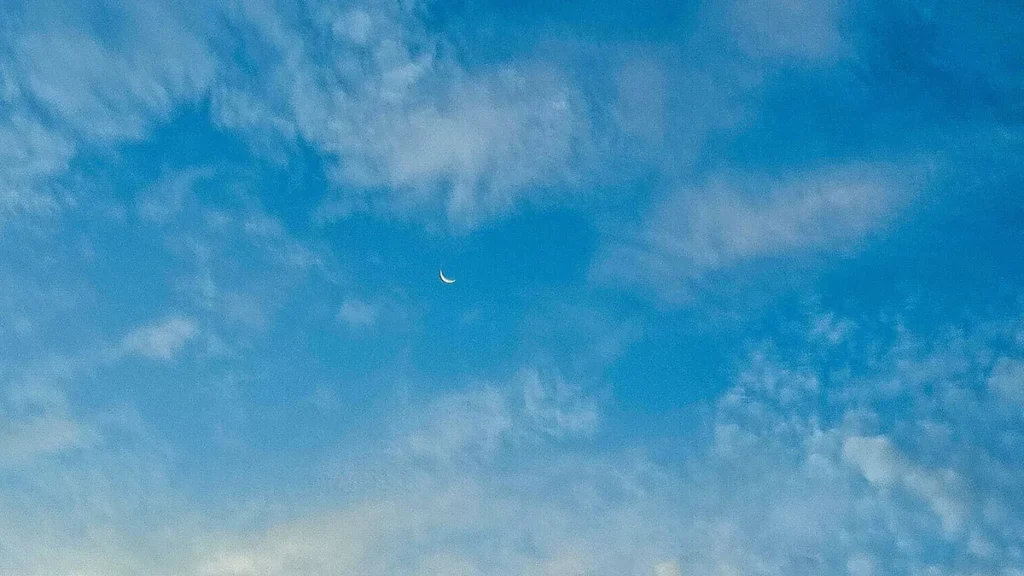
- The conventional dating of the painting to June 18, 1889 came from a letter Van Gogh wrote to his brother Theo, but on that date the Moon was then in a waning gibbous phase, thicker than the painting's slender crescent.
- The team traveled to France in 2019 for fieldwork, verifying Van Gogh's view in Arles through on-site photographs and locating the spot in Saint-Remy where he sketched the landscape before painting.
- Weather records showed the pre-dawn sky was clear enough to see the stars on the night of July 22, 1889, from Saint-Remy.
- Art historians and astronomers debated for decades whether Van Gogh painted The Starry Night from spontaneous early-morning inspiration or as a realistic depiction of the Saint-Remy night sky.
Researchers from SLLAB and the School of Space Research at Kyung Hee University in South Korea say the sky in Vincent van Gogh’s The Starry Night matches the pre-dawn view over Saint-Remy, France, on July 22, 1889, when Venus, the Hyades star cluster, and a slender crescent Moon appeared as painted.
The peer-reviewed study appeared in Scientific Reports. Its first author is Elijah Jeong-hyun Kim, a doctoral candidate in space research at Kyung Hee University; Kim leads the telescope manufacturer and drew on a 2025 book and years of building telescopes and watching the night sky. In the paper, Professor Jin-ho of Kyunghee University’s Department of Space Science and doctoral researcher Junghyun Kim said a comprehensive analysis shows the celestial bodies match the pre-dawn sky over Saint-Remy on July 22, 1889.
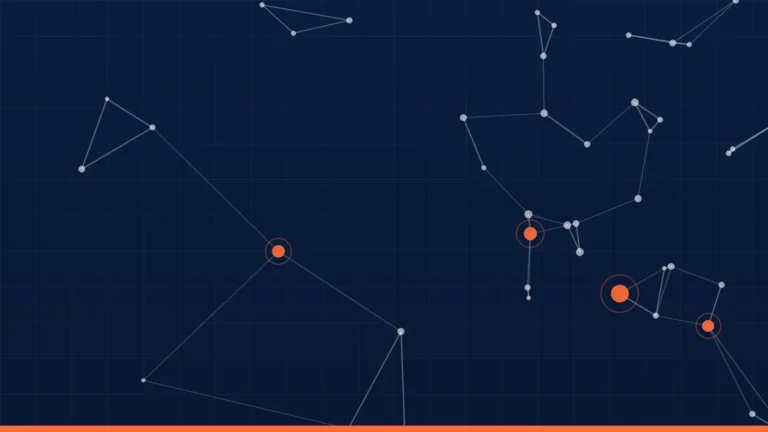
The researchers used astronomy software to generate every dawn sky from June and July 1889 and compared the geometry of the painted stars, Moon, and Venus, setting aside size and color details the artist might have changed. Procrustes analysis, a statistical method that compares shapes by aligning them, confirmed that the five central stars match the Hyades cluster in Taurus, with an even closer alignment in the pen drawing Van Gogh made after the painting. “To an observational astronomer, the cluster of stars in The Starry Night is the Hyades in Taurus,” Kim said.
The conventional June 18, 1889, date came from a letter to his brother Theo, but on that date the Moon was a thicker waning gibbous rather than the painting’s slender crescent. Art historians and astronomers debated for decades whether the work was spontaneous inspiration or a realistic depiction of the Saint-Remy sky. Albert Boime of UCLA placed Aries around 4 a.m. on June 19, 1889, while in 1986 Harvard astronomer Charles Whitney favored Cygnus and combined skies from several days. Good News Network calls it the first astronomical re-examination of The Starry Night in four decades.
The researchers focused on three dawns when the moon sat above Venus and chose July 22 as the closest match: a thin, C-shaped, eyebrow-like crescent above Venus, with the Moon and the Hyades in Taurus rising together in the east. Weather records showed the pre-dawn sky was clear enough to see the stars.
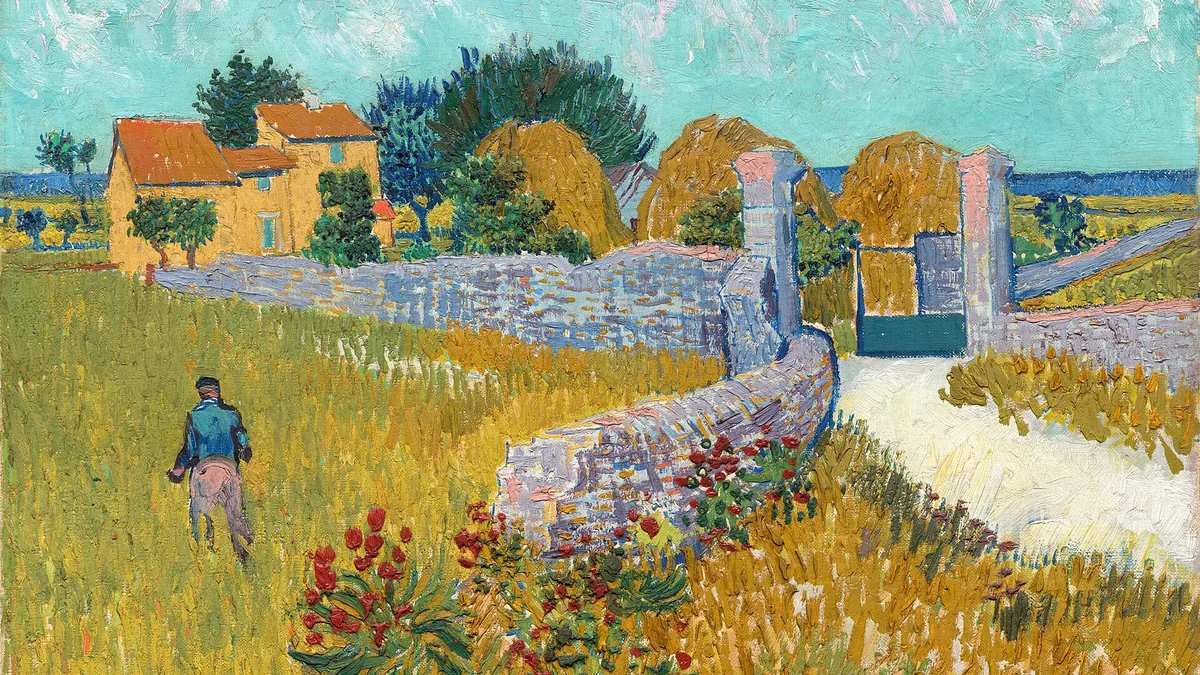
The team made two fieldwork trips to France in 2019, using on-site photographs to verify Van Gogh’s view of the Rhone River at Arles. In Saint-Remy they located the spot where he sketched the landscape before painting and reconstructed his view from there. Kim said he stood where Vincent had stood 130 years earlier, at a ridge southwest of the asylum: “I was standing where Vincent had stood 130 years earlier”.
“I am confident that July 22 is the better date. I will bet on this date.” Kim said. The team judged Aries unlikely to have inspired the painter because its stars are relatively faint at dawn, as Kim told Scientific American.
Procrustes analysis found the Hyades, a V-shaped cluster of five stars in Taurus, to be the best fit for the painted stars, disputing earlier suggestions that Aries was dominant.
The Van Gogh Museum in Amsterdam disputes the July date. It says Van Gogh was not concerned with exact likenesses, that celestial positions cannot reliably date the work, and that a breakdown around that date halted his work for about a month. The museum also notes the canvas arrived in early June and that Van Gogh sent Theo a sketch on July 2, maintaining that the painting dates to June 1889.
Jose Luis Aragon, a physicist at the National Autonomous University of Mexico who was not involved in the study, called the July date an intriguing hypothesis rather than a settled answer while noting that Van Gogh observed the real sky closely. Smithsonian Magazine presented his assessment alongside the museum’s skepticism.
Cicada references in Van Gogh’s Sept. 20, 1889, letter to Theo align better with July temperature records than with June’s, leading the team to propose that his seizures began in late July, after he finished the painting. The 36-year-old artist, recovering from several mental health crises, gazed from his asylum window at the pre-dawn sky above Saint-Remy-de-Provence on a clear summer night in 1889.
In a letter from around early June, Van Gogh told Theo he saw the countryside long before sunrise with only the morning star, which looked big. In mid-June, he wrote that he had completed a new study of a starry sky. Those letters are the documentary evidence art historians used to date the painting to June 1889.
The authors acknowledge the results are not conclusive because Van Gogh may have combined skies from several days. They say observation and imagination are commonly treated as either-or, yet The Starry Night shows both coexisting on one canvas. Junghyun Kim said, “We hope this study will serve as a starting point to offer a new perspective on van Gogh’s activities in the summer of 1889”.
The team extended its approach to other canvases. It proposed that the stars in the 1888 painting Cafe Terrace at Night could be the Summer Triangle, while CHOSUNBIZ identifies the stars in Starry Night Over the Rhone as the Hyades cluster.
The study is part of Van Gogh science, which analyzes paintings through science. Other researchers have argued the swirls in The Starry Night match Kolmogorov’s turbulence equations, supported by papers in 2008 and 2024. The supporting papers appeared in the Journal of Mathematical Imaging and Vision and Physics of Fluids, aligning with Kolmogorov’s law from 1940.
Scientists have used celestial bodies to date scenes in Van Gogh’s work, including Donald Olson of Texas State University, finding the moon rose at 9:08 p.m. on July 13, 1889. The researchers say their approach might apply to other historical night scenes and encourage joint work by astronomers and art historians. “Our conversation with Van Gogh’s other skies is still ongoing. We plan to tell those stories one by one.”
Kim said.


Join the discussion