Key facts
- NASA is accepting applications for its next astronaut class, with a deadline of midnight ET on Dec. 3 for U.S. citizens.
- Selected astronauts must relocate to Houston to work at the Johnson Space Center; remote work is not available and NASA may cover relocation fees.
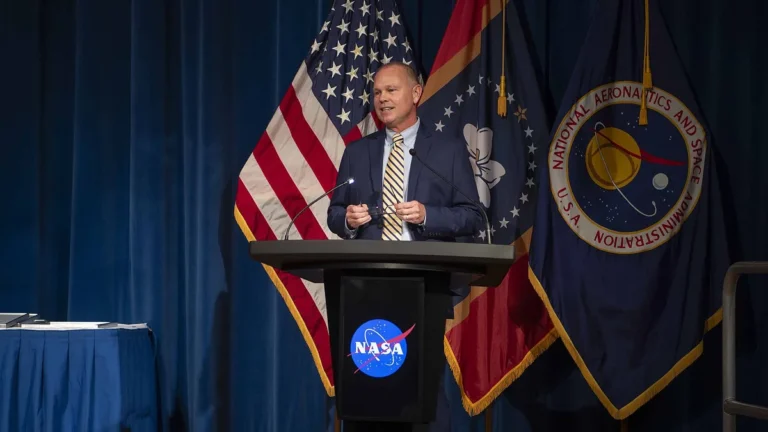
- NASA Administrator Jared Isaacman said selectees could travel to the moon, live and work at the lunar base, and help develop systems for Mars missions, demanding technical excellence, sound judgment and courage.
- NASA plans to announce selections for the new astronaut class in late 2027.
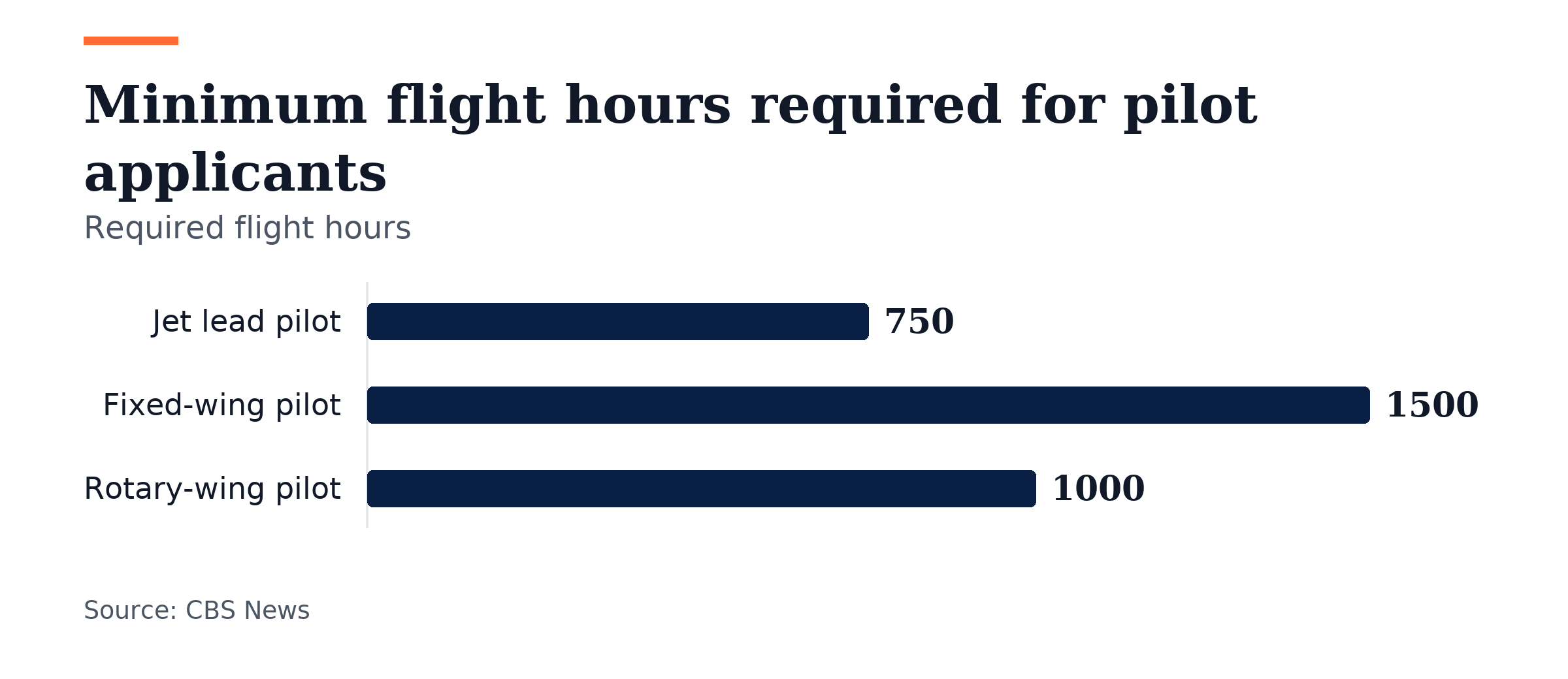
The space agency is accepting applications for its next astronaut class through the U.S. government’s jobs website, with a deadline of midnight ET on Dec. 3 for U.S. citizens. NASA is offering the position at $164,395 per year, and the application portal shows few openings. The agency is bringing on a limited number of salaried astronauts to support lunar base development and crewed moon missions. Selected astronauts must relocate to Houston to work at the Johnson Space Center, where remote work is not available, though the agency may cover relocation fees. NASA Administrator Jared Isaacman said selectees could travel to the moon, live and work at the lunar base, and help develop systems for Mars missions. “Those missions will demand technical excellence, sound judgment, teamwork and courage,” Isaacman said. He tied the astronaut selection to lunar surface work and future Mars expeditions. NASA flew four astronauts around the moon in April, marking the greatest distance humans have ever traveled from Earth. That mission marked a human distance milestone before the new application cycle opened. Applicants may qualify with a master’s degree in engineering, biological science, physical science, computer science or mathematics. The agency’s portal treats a master’s degree in those technical fields as one route to the academic standard. Doctoral coursework for two academic years in one of those fields is another qualifying route. The agency also accepts qualifying medical degrees such as an MD, physician assistant or nurse practitioner. Completion of a recognized test pilot school by July 2027 is the fourth educational option. Every candidate must have at least three years of professional experience after finishing a degree program or pilot training. Beyond education, NASA requires a multi-year professional background in the applicant’s chosen discipline before selection. NASA groups non-pilot applicants into biological and medical science, physical science, engineering and operations disciplines, each requiring three years of related work experience. Medical degree holders need at least three years of professional experience after earning the degree, and NASA counts residencies toward that total. Work in the operations track must take place in high-consequence settings that demand real-time decisions and teamwork, with mistakes carrying irreversible physical risk to people, missions or vehicles. Pilot applicants can qualify with 750 hours as lead pilot of a high-performance jet, which is one of three qualification paths. As another option, they need 1,500 hours in fixed-wing aircraft other than high-performance jets, with 750 of those hours in command, or 1,000 hours in rotary-wing aircraft including 300 command hours. Initial flight training and drone hours do not count toward pilot experience. Those applying as flight test candidates must finish or sign up for test pilot school by July 2027 and bring three years of related flight test work. Candidates must pass medical and psychiatric testing, meet a vision standard of 20/20 in each eye, and clear a background check and drug screening. Candidates must perform moderate to arduous physical activities including heavy lifting, crouching, crawling and exposure to inclement weather, and they must pass a swimming test. They must be willing to work in dangerous, life-threatening situations and live or work in remote, isolated, small or confined spaces for prolonged periods. Selected astronauts must accept space duty for 12 months or longer, facing extreme isolation, austere living conditions and long periods away from loved ones. Applicants must upload five references, not letters of recommendation, along with all STEM transcripts and a pilot qualifications form if needed. They can track their applications online through the U.S. government jobs website. NASA plans to announce selections for the new astronaut class in late 2027. The agency will name the chosen candidates after the review period, following the Dec. 3 application deadline. NASA’s recruitment video, called NASA wants you, features seven current astronauts: Jessica Meir, Andre Douglas, Deniz Burnham, Randy Bresnik, Kayla Barron, Jack Hathaway and Chris Williams. The agency last accepted astronaut applications in 2024 and picked 10 candidates from more than 8,000 submissions. The group earned the nickname The Platypi and is now training at Johnson Space Center. When training ends, those astronauts will join 32 active NASA astronauts in spacecraft development and maintenance including spacewalks, research experiments and Mission Control ground support.



Join the discussion