
On Oct. 27, 2026, the Canadian Space Agency issued a request for information seeking input from domestic companies, universities, utilities and laboratories on what they could supply for a lunar microreactor designed to support Moon operations. The deadline for submissions is Nov. 23, 2026, at 2 p.m. Eastern, giving respondents just under four weeks from the posting date. The agency stated that the request would not result in a contract and does not require Canada to establish a lunar microreactor program, emphasizing that it’s currently in an information-gathering phase and has not authorized the development or deployment of lunar nuclear hardware.
The agency defines a microreactor as a small fission reactor that can provide as much as 100 kilowatts of electricity at the lunar surface. The agency has outlined a potential power range of 20 to 80 kilowatts, continuous, for ten years or longer at polar locations close to permanently shadowed zones, though it stresses this is not a firm requirement and the figures describe potential needs at locations where sunlight is scarce. Fission could serve alongside solar panels and batteries, supplying electricity during the two-week lunar night and within craters that receive little sunlight, positioning nuclear power as a way to sustain operations through long periods of darkness and in shaded terrain. The agency has not settled on a reactor type, fuel source, coolant method or power-conversion system, and it asks industry to challenge its assumptions and propose alternatives, leaving the technical architecture open for industry and academia to suggest different designs.
The request for information lists 16 capability areas spanning fuel, heat transport, radiators, radiation shielding and robotic emplacement, indicating the breadth of subsystems the agency believes may be needed for a lunar microreactor system. The agency does not expect any single Canadian organization to design and build the complete system, and it accepts responses that address only a part of one capability area, even a single test facility, seeking input from many organizations rather than selecting a single prime contractor at this stage. The document’s closing question seeks the three most important activities Canada could undertake during the coming one to four years to build this potential domestic capability, with the agency wanting ideas for near-term work that could develop expertise in lunar nuclear power.
The agency has outlined a potential roadmap starting with studies and component development, moving to ground tests that would begin with non-nuclear work and advance to nuclear testing where authorized, and ultimately aiming for a demonstration on the Moon, showing how it imagines moving from paper studies to an actual Moon demonstration if the capability advances. No single body has yet been assigned responsibility for licensing a reactor, approving its launch or overseeing its safety, the request states, and the regulatory path for a Canadian lunar nuclear system remains undefined. The document also inquires about respondents’ previous interactions with the Canadian Nuclear Safety Commission, seeking input on experience with the national regulator.
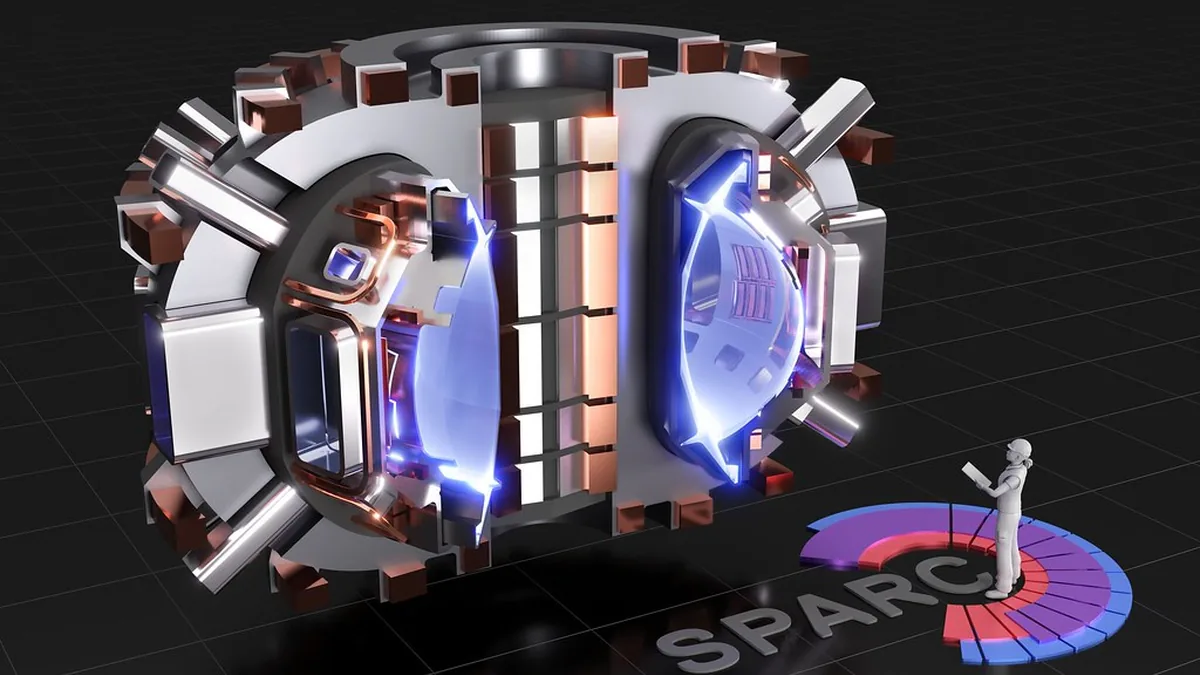
Across the border, NASA is pursuing a fission reactor that could deliver at least 100 kilowatts of electricity on the lunar surface by 2030, and the American agency has solicited design proposals from U.S. industry as part of a wider push on space nuclear power.
The agency’s involvement in lunar power dates to 2022, when it gave MDA Space $250,000 to develop a concept for a Canadian-led nuclear power system on the lunar surface, which was one of seven Moon infrastructure studies, indicating the agency has supported Canadian industry in exploring lunar nuclear power concepts. In June 2026, the CSA distributed four contracts totaling $2 million, with two of those awards funding power studies by Montreal-based Volta Space Technologies and CSMC Nuclear under the Lunar Surface Exploration Initiative, demonstrating that Canadian firms are already researching lunar power. Canadian Strategic Missions Corporation, which owns CSMC Nuclear, took a license in 2024 on reactor technology derived from the SLOWPOKE research reactor at Canadian Nuclear Laboratories, linking one of the power-study firms to established Canadian nuclear research technology. During 2026, the Lunar Surface Exploration Initiative also requested architecture studies covering lunar power and resource extraction, which is part of a wider effort to examine how lunar power and resources could support exploration.


Join the discussion