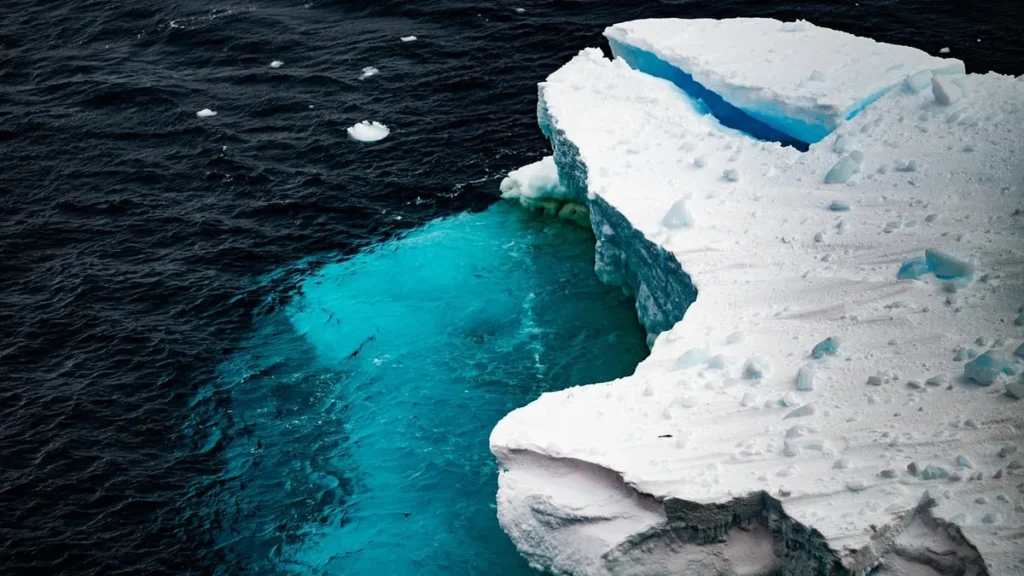
A Frontiers study found that microbes in terrestrial icy-moon analog environments commonly use osmolytes, molecules that help cells manage osmotic pressure, and modified lipids, altered fats in cell membranes, to adapt, Astrobiology Web reported. The shared adaptive strategy held regardless of depth. The authors said the results should help guide future searches for life beyond Earth.
The investigators set out to describe common traits of microbes living in Earth-based stand-ins for icy moons. They ran a novel meta-analysis of public 16S rRNA amplicon sequencing data, a method that sequences a genetic marker used to identify microorganisms, to find general traits of microbial communities in these settings. Combining diverse datasets let the team infer statistically significant microbial patterns tied to adaptation, the authors said.
Past work on Earth-based icy-moon analogs showed where life can survive, but those results were too divided to support wide conclusions about what controls and stresses life there, according to the researchers. Prior findings on microbial communities in icy moon analogs tended to be compartmentalized.
Depth, pH and hypersalinity drive how microbial taxa are distributed and how they adapt molecularly in these settings, the authors said. Halophilic archaea, salt-loving single-celled microorganisms, appeared everywhere the team looked. The investigators tied this widespread presence to the same environmental factors that shape where microbes live and how they change at the molecular level in icy-moon stand-ins.
They also said the work could support a new fundamental approach to searching for life on Europa and Enceladus, which they identified as places where life may exist.
The journal Frontiers Astron. Space Sci. published the paper A hidden pattern? Common polyextremophilic microbial adaptations in Icy Moon analog environments. PubMed offers it as open access.
Astrobiology Web‘s reporting frames the study by noting that finding signs of life beyond Earth ranks among the chief goals of space exploration.
Join the discussion