Key facts
- Stanford University researchers showed that the median grain size of sand in dunes on Earth and Mars reveals the wind speeds that formed those dunes.
- The Stanford result lets scientists use sand as a measure of wind for modern and ancient dune fields across the solar system.
- In a Nov. 16 Proceedings of the National Academy of Sciences study, Stanford researchers showed dunes on Earth and Mars form under winds only slightly strong enough to shift sand across the surface.
- Grain size largely determines the wind speed that matters most for dune formation on Earth and Mars, Stanford researchers found.
Stanford University researchers showed on Nov. 16, 2026, that the median grain size of sand in dunes on Earth and Mars reveals the wind speeds that formed those dunes.
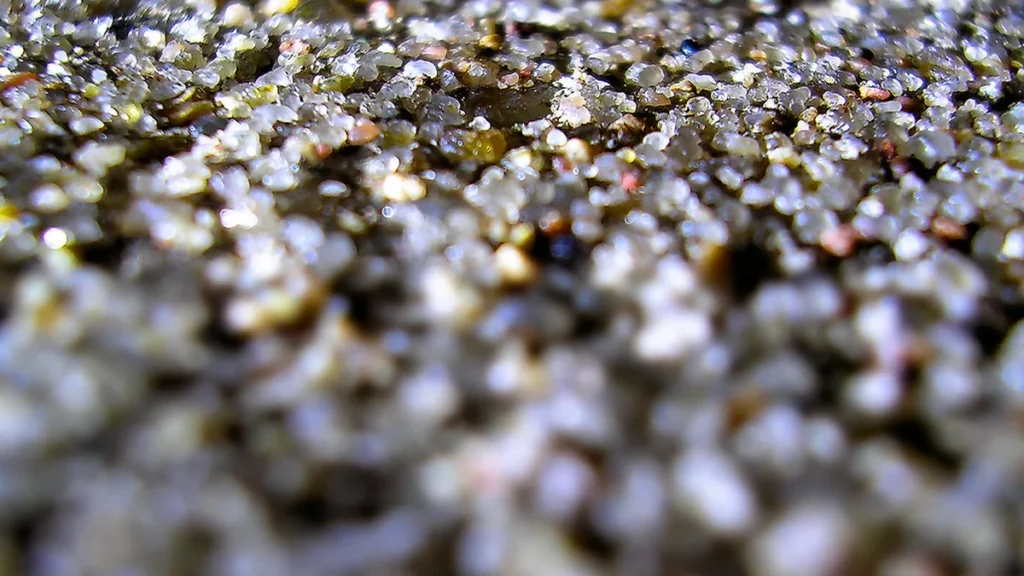
Phys.org reported the research. The Stanford result lets scientists use sand as a measure of wind for modern and ancient dune fields across the solar system, effectively treating sand as a wind speedometer. Researchers examined 30 years of wind records and grain-size data from 24 dune fields of varied shapes, sizes and locations worldwide, including Coral Pink Sand Dunes State Park in Utah and dunes in Earth’s oldest desert in Namibia. For every field, the wind speed moving the most sand over time matched grain size and was only slightly above the transport threshold (the minimum wind speed needed to move sand).
The correlation held for all dune fields the team studied. Stanford researchers showed dunes on Earth and Mars form under winds only slightly strong enough to shift sand across the surface. Grain size determines the wind speed that matters most for dune formation on Earth and Mars, Stanford researchers found. From median grain size, scientists can calculate the wind speeds behind modern dunes and ancient rock records.
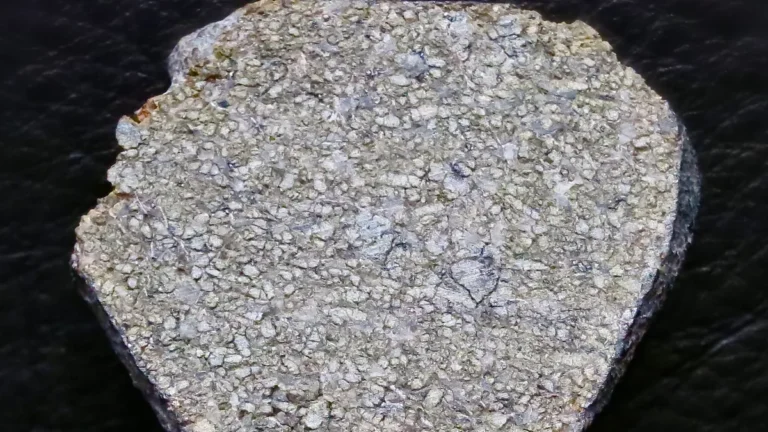
Senior author Mathieu Lapôtre, an associate professor of earth and planetary sciences at Stanford Doerr School of Sustainability, said the method works for sandstones dating back 3 billion years. Lapôtre said the discovery helps scientists reconstruct ancient winds and climates on Earth and elsewhere. The outcome implies windblown dunes develop similarly across worlds with plentiful loose sediment and winds that quickly grow rarer as strength increases. He said those reconstructions may assist researchers in testing models of ancient atmospheric circulation on both planets.
Colin Marvin, who worked on the research as a Ph.D. student in Lapôtre’s lab at Stanford Doerr School of Sustainability, described dunes as a great recorder of surface interactions between a planet’s atmosphere and its surface. Over the last few decades, researchers found wind-formed dunes and ripples on Venus, Mars, Saturn’s moon Titan and a sun-orbiting comet. Before this study, estimating the speed of those formative winds had proven challenging. Scientists can tell wind direction and persistence from dune shapes and patterns, yet measuring wind speed remained hard.
Stanford’s grain-size approach now addresses that gap. In 2010, University of Pennsylvania researchers proposed that windblown dunes form with winds slightly faster than the sand-moving threshold. Colin Marvin said nobody had really examined this idea since then, even though it reveals environmental conditions behind dune fields on Earth, Mars and other planetary bodies. M. Colin Marvin wrote the paper Windblown dunes are born in sand at the brink of transport, which appeared in Proceedings of the National Academy of Sciences in 2026 with DOI 10.1073/pnas.2613085123.
Lapôtre said the approach applies to modern dunes and sandstones from 3 billion years ago. He added that Marvin is actively pushing on to the next steps of that work. The finding comes from Stanford researchers working under Mathieu Lapôtre, who is senior author of the study.


Join the discussion