
Key facts
- CNET and The Weather Channel agree the Hunter's Moon peaks at 12:12 a.m. Eastern Daylight Time on Monday, October 26, 2026.
- CNET and The Weather Channel state the Hunter's Moon is not a supermoon because the full phase misses perigee, the orbital point nearest Earth, by a couple of days.
- The Weather Channel traces the Hunter's Moon name to hunters using autumn moonlight to travel quietly at night and stockpile food for winter after the September harvest moon clears the fields.
- It follows the September harvest moon, after which cleared fields leave animals with fewer places to hide.
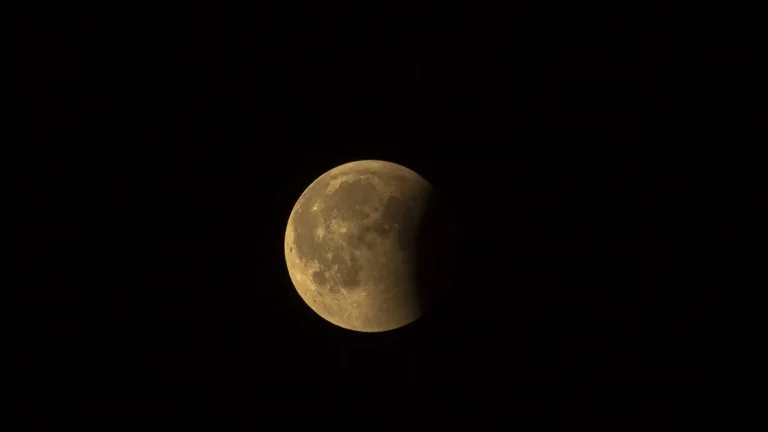
The Hunter’s Moon reaches its full peak at 12:12 a.m. Eastern Daylight Time on Monday, Oct. 26, 2026, according to CNET and The Weather Channel.
CNET and The Weather Channel state the Hunter’s Moon is not a supermoon because the full phase misses perigee, the orbital point nearest Earth, by a couple of days. The moon will remain more than 90 percent full for a couple of days before and after the peak, providing roughly five days of viewing. The Weather Channel traces the Hunter’s Moon name to hunters using autumn moonlight to travel quietly at night and stockpile food for winter after the September harvest moon clears the fields.
It follows the September harvest moon, after which cleared fields leave animals with fewer places to hide. Weather forecasters predict poor viewing for the Plains and Upper Midwest this weekend due to a large cold front with a developing low pressure system crossing the middle third of the country. The Weather Channel says weather could make viewing a hit or miss for some areas this weekend. A storm system arriving from the Pacific Ocean will create similar viewing difficulties in the Pacific Northwest.
The Weather Channel groups the Pacific Northwest with the central United States as regions facing storm-related viewing problems. On Oct. 27, the moon will cross in front of the Pleiades star cluster and block the cluster almost entirely from view. CNET says the Pleiades, also called the Seven Sisters, is one of the easiest star clusters to see. East Coast viewers will find the moon already crossing the Pleiades at nightfall, while West Coast viewers see it near the end around midnight.
All eight planets are visible at some point during October for observers willing to look at different times of night. CNET provides viewing times for each planet, noting Mercury is most difficult because of its proximity to the sun. Saturn is visible around sunset Eastern Time and remains visible until sunrise throughout October. Saturn reached opposition on Oct. 4 and is at its brightest of the year.
Mars rises around 2 a.m. Eastern Time and remains visible until sunrise every night in October. CNET says Jupiter and Mars stay close together all month and follow the same viewing rules. Jupiter rises roughly two hours after Mars on most October nights and remains near it in the sky. Neptune follows Saturn’s path and requires magnification to observe.
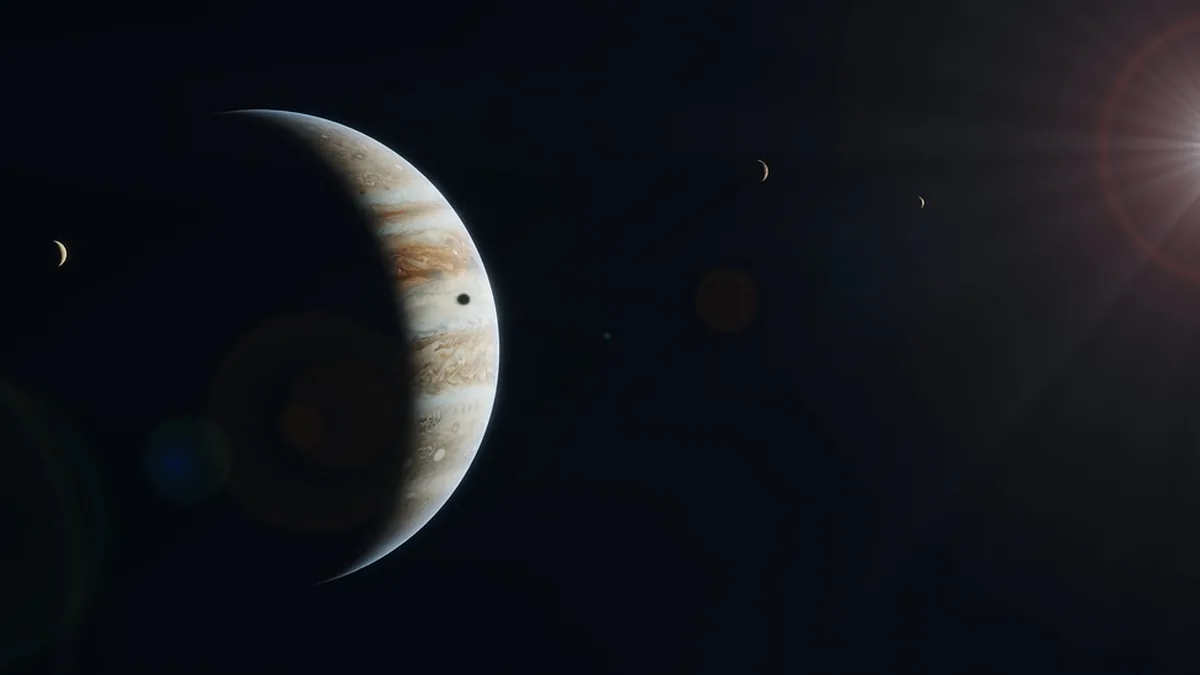
Uranus rises roughly two hours after Saturn and ends high in the western sky at sunrise. Mercury is best viewed around its elongation on Monday, Oct. 26, and the two days before and after. CNET says Mercury is the most difficult planet to see because of its proximity to the sun. Venus is virtually impossible to see most of the month but becomes visible just after sunset by month’s end, with the best view on Oct. 31.
Taurus, Cetus, Auriga and Orion appear low on the horizon in October and begin a months-long climb into the winter sky. CNET says September’s constellations, including both Dippers, Aquarius, Pegasus and Pisces, appear again in October. Observers can also look for smaller asterisms such as the Coffin of Delphinus, the Circlet of Pisces and the Northern Cross.
CNET recommends using a sky map app to locate the constellations and asterisms because there are a lot to observe. The Orionid meteor shower peaked on Oct. 21 and remains active until Nov. 7, producing roughly 10 to 20 meteors per hour from debris left by the 1P/Halley comet.
Orionid meteors are bright and fast, leaving trails that last over a minute and sometimes forming fireballs. CNET says the moon will be about 76 percent full on the Orionid peak night, so lunar light pollution may reduce visible meteors. CNET says Orion is best found using the stars Betelgeuse, Capella and Rigel, which are in the same general area.
The Draconids meteor shower ran from Oct. 6 to Oct. 10 and was fed by the 21P/Giacobini-Zinner comet. Draconid meteors seem to come from Draco, a constellation riding high in the western sky for northern hemisphere observers. CNET says the Draconids peak is usually tame at around 10 meteors per hour but has surprised astronomers in the past, such as in 1933 and 1946.
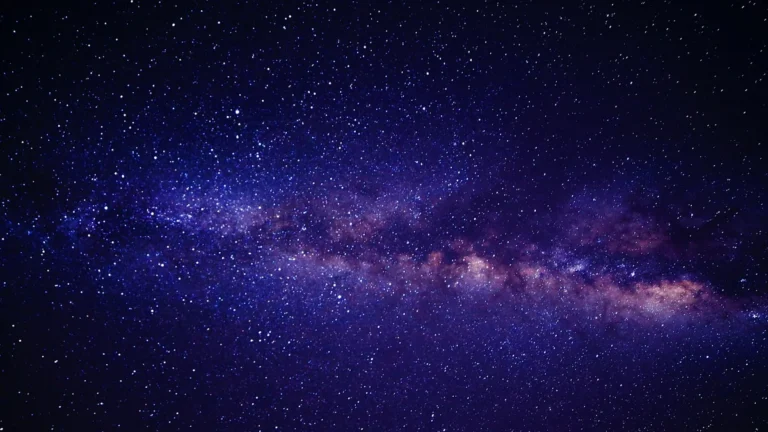
The Milky Way reaches its highest point between 8 p.m. and 10 p.m. local time in September and October, but drops too low for good photos after October until May. CNET says darker evenings around Halloween provide a last view of the Milky Way before winter. CNET says the best Milky Way views happen at a new moon from May to August, making September and October a secondary window.

Join the discussion