Key facts
- The Expedition 75 station crew began the week preparing microbe samples and spacesuits for return aboard a U.S. cargo vehicle.
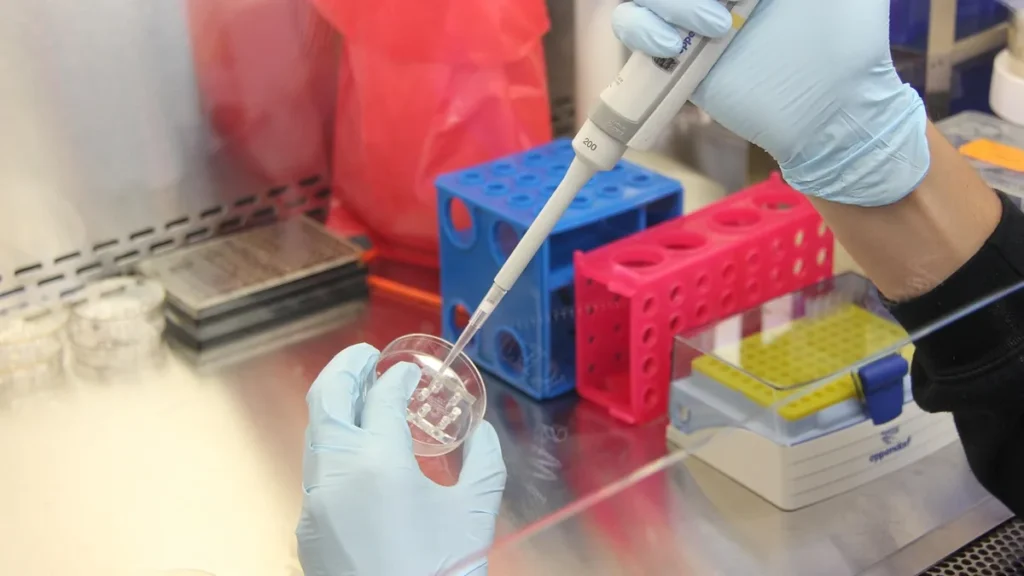
- Menon examined bacterial, mold, and fungal colonies, recorded their growth levels with measurements and photos, then readied a set of samples to return next week aboard a SpaceX Dragon cargo craft.
- Kutryk gathered drinking water samples from the station and prepared them for microbial analysis on Earth.
- Watkins and Delaney inspected the spacesuit, moved it into the station, and prepared it for use inside the Quest airlock.
The Expedition 75 station crew began the week preparing microbe samples and spacesuits for return aboard a SpaceX Dragon cargo craft, a U.S. cargo vehicle, docked at the International Space Station. Expedition 75 is the station crew assigned to long-duration work, carrying out research, maintenance and other tasks inside the orbiting laboratory.
NASA flight engineer Anil Menon and Canadian Space Agency flight engineer Joshua Kutryk alternated on Monday, Nov. 9, 2026, processing microbial samples gathered from station surfaces and drinking water as part of monitoring intended to keep the station’s crew and equipment safe. Menon examined bacterial, mold, and fungal colonies, recorded their growth levels with measurements and photos, then readied a subset of samples to return next week aboard the SpaceX Dragon vehicle for analysis on Earth. Kutryk gathered drinking water samples from the station and prepared them for microbial analysis after they return to Earth, following Menon’s work with the colonies. The samples are bound for Earth aboard the U.S. cargo vehicle.
Microbes may reach space aboard astronauts and cargo and settle on lab hardware. Regular cleaning and microbial monitoring help keep the station’s crew and equipment safe. NASA included this explanation in its update to show why microbial monitoring matters aboard the station. The agency tracks these organisms to protect crew and equipment.
NASA flight engineers Jessica Watkins and Luke Delaney worked together inside the docked Dragon cargo vehicle to remove a newly arrived spacesuit from its shipping container. They inspected the suit, moved it into the station, and prepared it for use inside the Quest airlock. The pair then placed a second spacesuit into the Dragon cargo craft, packed it inside its container, and secured it for return, so engineers can examine it on Earth.
Roscosmos flight engineer Sergey Teteryatnikov performed a respiration study during his shift, wearing an acoustic monitor around his neck to capture breathing data and recording his rapid breathing rate. Medical researchers will use the breathing data to learn about respiratory effects of long-duration weightlessness.
Station commander Pyotr Dubrov turned on Earth observation gear to capture images of mountains, volcanos, and deserts across South America and Africa. Roscosmos flight engineer Anna Kikina worked through her shift on upkeep tasks that included docking mechanism checks, smoke detector cleaning, and life support equipment cleaning using water and air.
NASA and SpaceX postponed Crew-13 on September 1, 2026, after discovering an oxidizer leak in the Dragon spacecraft’s propulsion system during prelaunch work. NASA announced the delay after engineers found the leak during routine spacecraft processing before the Crew-13 mission to the International Space Station.
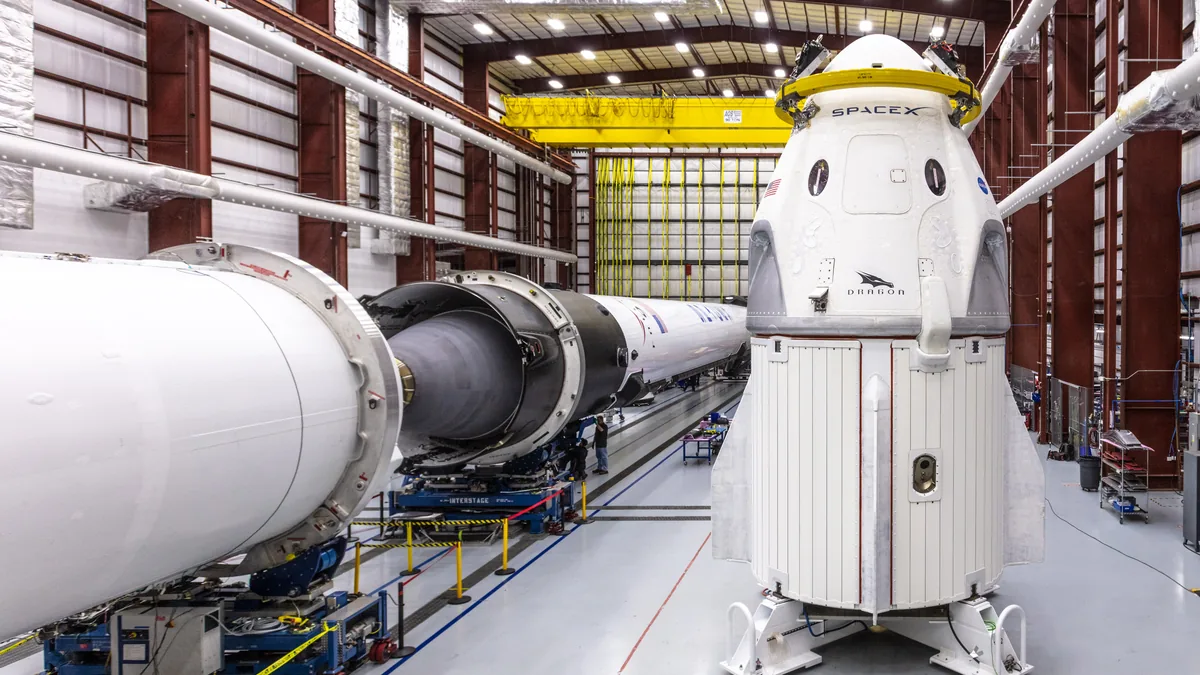
An oxidizer is a substance that supports fuel burning in a rocket or spacecraft engine, and the craft needs it to maneuver. Teams from NASA and SpaceX are performing additional tests and reviewing spacecraft data, and repairs will finish before Dragon receives clearance to fly. NASA has not set a new target launch date for Crew-13.
Jessica Watkins will command Crew-13 and Luke Delaney will pilot it. Joshua Kutryk of CSA and Sergey Teteryatnikov of Roscosmos will serve as mission specialists on that flight. The four crew members will become part of Expedition 75 once they reach the station.
Crew-13 astronauts will begin quarantine at the NASA Johnson Space Center in Houston roughly two weeks before the flight. The mission will use a SpaceX Dragon spacecraft and Falcon 9 rocket launching from Space Launch Complex 40 at Cape Canaveral Space Force Station in Florida. SpaceX designed its Dragon spacecraft to carry astronauts to and from orbit. NASA and SpaceX will reveal a new launch date after completing tests, data reviews, and required spacecraft work.
When it departs, the microbe samples and the second spacesuit will return to Earth for analysis and inspection.



Join the discussion