Key facts
- Blue Origin plans to add new launch pads at its Florida site to increase New Glenn flight rate.
- Blue Origin is investing $330 million to expand its Rocket Park campus.
- Blue Origin’s Florida operations employ more than 5,000 people and work with over 500 state suppliers.
- Blue Origin seeks to raise permitted flights at LC‑36A from 12 to 50.
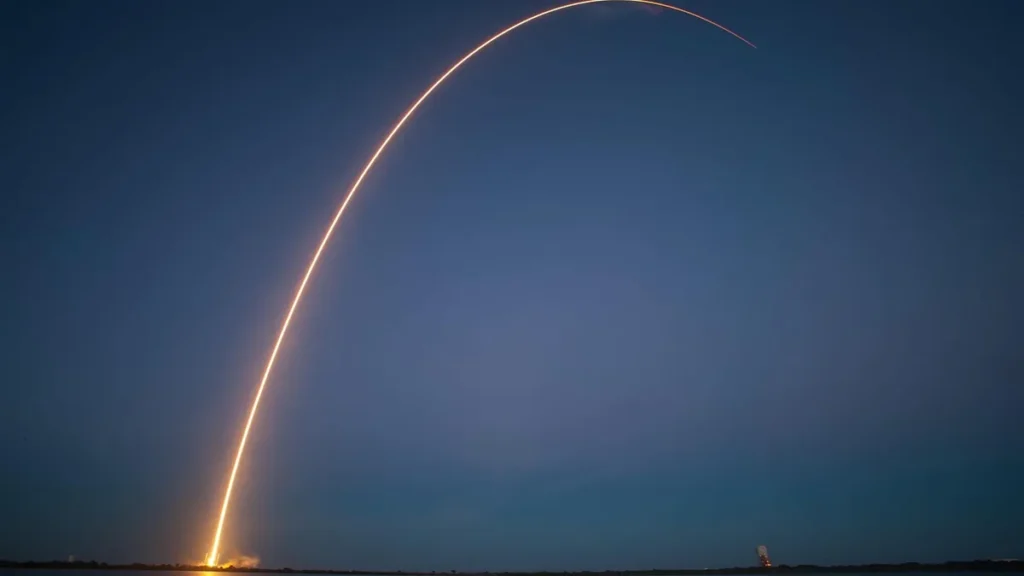
Blue Origin plans to add new launch pads at its Florida site to increase the flight rate of its New Glenn rocket. The New Glenn rocket is a heavy‑lift, reusable launch vehicle designed to carry payloads to low Earth orbit and beyond. The company aims to support several New Glenn flights per week by the end of the decade. To date, Blue Origin has invested more than $3 billion in Florida facilities and infrastructure.
Blue Origin’s Florida operations employ more than 5,000 people and work with over 500 state suppliers. The company’s manufacturing and operations footprint has more than doubled, now spanning over 20 sites across Brevard and Orange Counties.
Blue Origin will add two new landing vessels to its marine fleet, alongside the existing ship Jacklyn. Landing vessels are ships used to retrieve rocket stages after they return from space. The company’s marine fleet includes ships that support recovery operations. The ship Jacklyn is one of the vessels in Blue Origin’s marine fleet.
Blue Origin is investing $330 million to expand its Rocket Park campus. Rocket Park is a manufacturing and integration facility located near the company’s launch site. The expanded Rocket Park facility will be 1.37‑million‑square‑foot, with expected completion in summer 2027. At Rocket Park, teams build components and prepare them for launch.
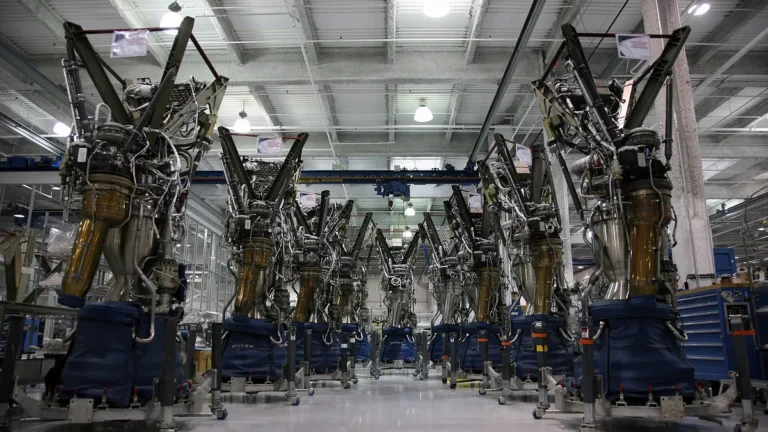
It will support production of up to 150 New Glenn upper stages annually. An upper stage is the top section of a rocket that ignites after the first stage separates to deliver the payload to its final orbit. Production of these stages will take place at the expanded Rocket Park facility.
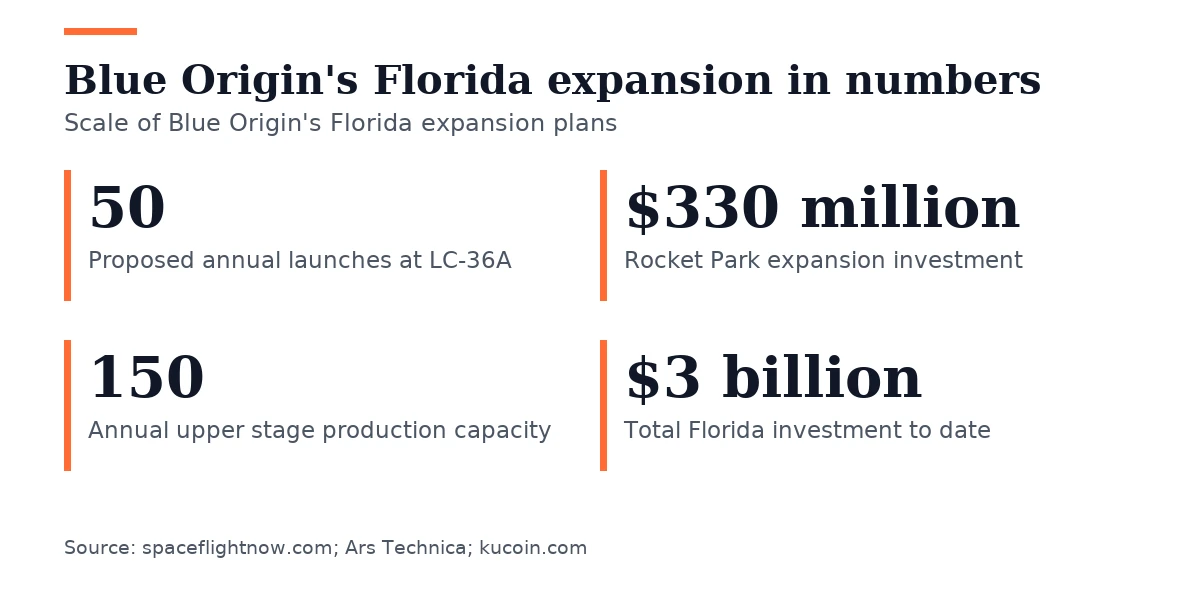
Blue Origin seeks to raise permitted flights at LC‑36A from 12 to 50. Permitted flights refer to the maximum number of launches authorized in a license issued by the Federal Aviation Administration. The FAA is holding a 30‑day comment period on the request, with a virtual hearing Oct 22 and comment closing Oct 30. A comment period allows the public and interested parties to submit feedback before the agency makes a final decision.
Blue Origin manufactures payload fairings in‑house and is working to recover and refurbish them for reuse. A payload fairing is the protective nose cone that shields a spacecraft during ascent through the atmosphere. The company aims to refurbish the fairings for use on future flights. Refurbishing involves inspecting, repairing, and preparing the fairing for another launch.
Founder Jeff Bezos said in a Fox News interview earlier this month that Blue Origin aims to fly the New Glenn 7×2 rocket again. He said the flight should occur before the end of 2026. The 7×2 designation refers to a specific configuration of the vehicle. Blue Origin has launched to orbit twice so far, meaning it has achieved a trajectory that allows a spacecraft to circle Earth at least once without further propulsion.
Blue Origin eventually hopes to fly more than 100 New Glenn rockets per year from its Florida launch sites. A launch is the event of sending a rocket into space from a launch pad. Per year refers to each calendar year.
Blue Origin is in early stages of pursuing New Glenn launch capabilities at Space Launch Complex 14 on Vandenberg Space Force Base. Space Launch Complex 14 is a specific launch pad at that base. Polar‑orbit missions travel over the Earth’s poles, providing global coverage.


Join the discussion