Key facts
- JAXA unveiled a four-legged lunar rover test model to reporters in Tokyo on Wednesday, Nov. 25, 2026, intended to travel to the Moon's south pole to search for water that might one day be turned into rocket fuel.
- LUPEX, which stands for Lunar Polar Exploration, is a mission to place a Japanese-built rover on the Moon in 2028 together with India.
- Hoshino said on Wednesday, Nov. 25, 2026, that producing fuel on the Moon is a key objective for missions bound back to Earth or headed onward to Mars.
- JAXA expects the rover to find possible water sources after landing and to drill at the site to gather samples.
JAXA unveiled a four-legged lunar rover test model to reporters in Tokyo on Wednesday, Nov. 25, 2026, intending for the hardware to travel to the Moon’s south pole to search for water that might one day be turned into rocket fuel.
The hardware shown in Tokyo was a test model rather than the finished flight rover. It represents one component of the broader LUPEX vehicle.
LUPEX, which stands for Lunar Polar Exploration, is a mission to place a Japanese-built rover on the Moon in 2028 together with India. Japan and India agreed in 2025 to jointly pursue LUPEX, assigning the lander to India and the rover to Japan. Japan is responsible for the rover under the agreement.
Project manager Takeshi Hoshino told reporters in Tokyo on Wednesday, Nov. 25, 2026, that JAXA ultimately wants to use lunar water for rocket fuel. He framed lunar water as a resource for propulsion rather than only as a scientific target. Hoshino said producing fuel on the Moon is a key objective for missions bound back to Earth or headed onward to Mars.
JAXA expects the rover to find possible water sources after landing and to drill at the site to gather samples. The sampling step is intended to provide evidence for deciding whether ice can be processed into propellant.
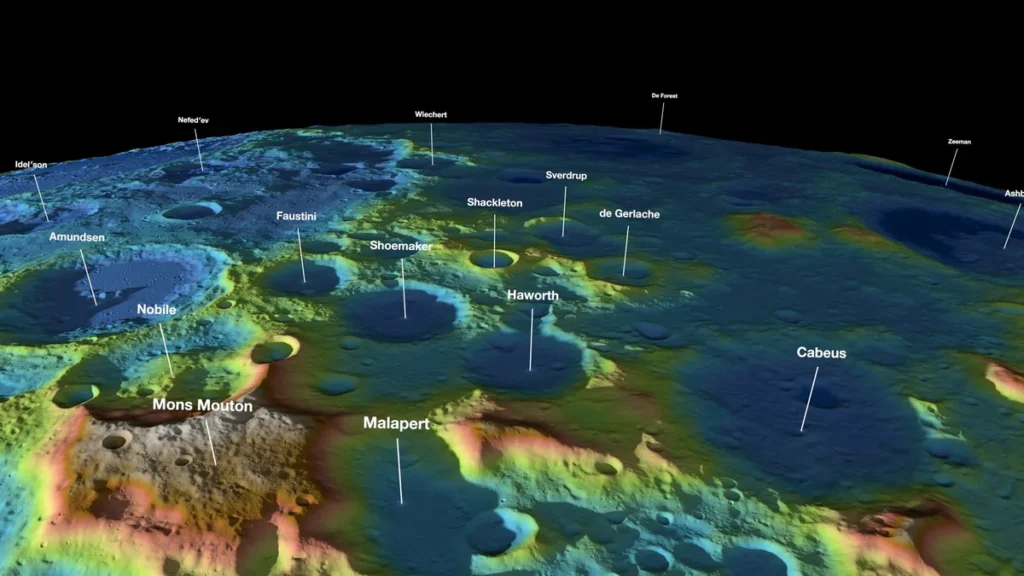
Scientists judge it is highly likely that water exists near the lunar surface inside permanent shadows. Permanent shadows never receive sunlight. The LUPEX team wants measurements of water amount and quality to judge sustainability, and it hopes the rover will collect details on the quantity and quality of lunar water to see if using it could make space exploration more sustainable. The hoped-for data would show whether lunar water can support more sustainable exploration.
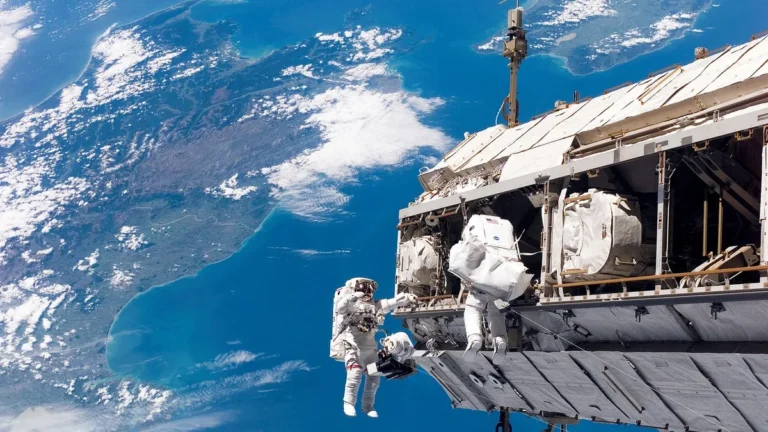
Hoshino said more than 90% of water is recycled on the International Space Station. He explained that water produced when rockets burn oxygen and hydrogen cannot be recovered for reuse. He contrasted station water recycling with rocket exhaust, which cannot be reclaimed.
Researchers have tested the rover by climbing slopes using one leg, driving continuously with two legs, and conducting mobility trials under vacuum conditions, Hoshino said. The trials covered different leg configurations and operation without air pressure. Vacuum conditions remove air pressure during the tests.
Japan’s recent lunar history frames the new hardware. An unmanned JAXA probe touched down on the Moon in 2024 at a crooked angle, making Japan the fifth country to complete a soft landing. The 2024 landing took place during an intensifying global space race, and the probe touched down off-kilter. Tokyo-based firm ispace was unsuccessful in 2025 in trying to become the first private company outside the United States to achieve a controlled arrival on the Moon.
JAXA’s recent deep-space activity includes a separate milestone. In October 2026, JAXA sent a spacecraft toward a Martian moon on a world-first mission to bring back samples. The samples could shed light on the origins of the solar system and life on Earth.
Join the discussion