Key facts
- In 2025 the Florida Space Coast conducted 109 orbital launches, exceeding the previous annual record of 93.
- SpaceX accounted for the majority of the 109 launches from Florida in 2025.
- Infrastructure upgrades at Cape Canaveral Space Force Station and Kennedy Space Center have been completed to enable faster, airport‑style turnaround times for launches.
- Blue Origin has doubled its manufacturing and operations footprint in Brevard County.
In 2025, Florida’s Space Coast surpassed its previous annual launch record with 109 orbital missions, a milestone that reflects a decade of private-sector investment, infrastructure modernization, and a shift toward commercial and national security operations. The region’s evolution from a NASA-dominated spaceport to a mixed-use hub has positioned it as a cornerstone of the aerospace industry, blending legacy facilities with cutting-edge technology. This surge in activity isn’t just about volume—it’s about versatility, accommodating everything from government payloads to commercial satellite deployments and crewed missions.
A Launch Cadence That Defined a Decade: The Numbers Behind Florida’s Space Coast in 2025
- Florida’s Space Coast conducted 109 orbital launches in 2025, exceeding the previous record of 93 missions set in earlier years.
- SpaceX operated two launch sites—Launch Complex 39A at Kennedy Space Center and Launch Complex 40 at Cape Canaveral Space Force Station—and accounted for the majority of the region’s launches.
- SpaceX is constructing a dedicated Starship launch facility at Launch Complex 39A, with a planned capacity of up to 44 Starship launches per year from Florida.
- Infrastructure upgrades at Cape Canaveral Space Force Station and Kennedy Space Center now enable faster, airport-style turnaround times between launches, streamlining operations.
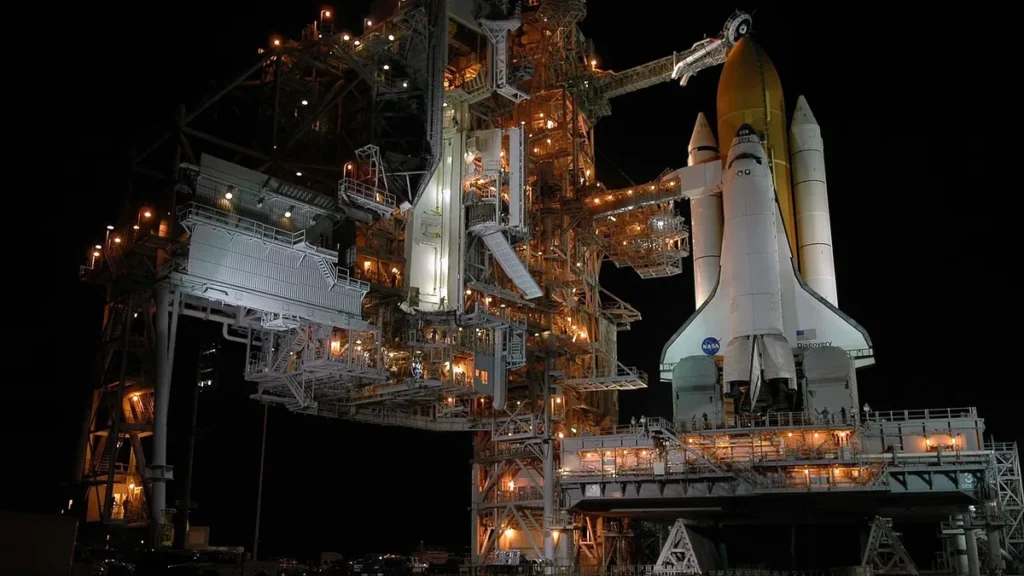
The infrastructure upgrades at Cape Canaveral Space Force Station and Kennedy Space Center have been pivotal in accelerating launch turnarounds. These modifications, which mimic airport-style efficiency, reduce downtime between missions, allowing for a higher cadence of operations. This adaptability ensures that the Space Coast remains agile, whether supporting government missions, national security payloads, or commercial satellite deployments. Former shuttle-era facilities have been repurposed to handle newer launch vehicles and processing work, further diversifying the region’s capabilities.
From Jobs to Tourism: The Economic Impact of a Launch-Driven Region
The economic impact of Florida’s Space Coast extends far beyond the launch pads. Launch tourism has become a significant economic driver, attracting visitors to Brevard County’s beaches, hotels, and event spaces. These travelers contribute to local businesses, from restaurants and hotels to cultural venues, creating a ripple effect that benefits the broader community. For residents, the Space Coast’s launch cadence has become routine—so much so that it has reshaped daily life, turning what was once a rare event into a familiar part of the landscape.
Private-sector investment has also played a crucial role in shaping the Space Coast’s economic landscape. Blue Origin has doubled its manufacturing and operations footprint in Brevard County, expanding its capabilities in vehicle processing and manufacturing. While specific job figures aren’t detailed in the sources, the expansion underscores the region’s growing role in high-skill employment, particularly in STEM fields. The convergence of these investments—combined with the infrastructure upgrades and launch tourism—positions Florida’s Space Coast as a resilient economic engine, creating high-paying jobs and sustaining innovation.
The Space Coast’s mixed launch portfolio ensures that its economic engine remains diverse and sustainable. Whether supporting government missions, national security payloads, scientific research, or commercial cargo and crew transportation, the region’s adaptability ensures that its economic impact is broad and enduring. This diversity not only attracts investment but also fosters a culture of innovation and collaboration among stakeholders, from aerospace manufacturers to tourism businesses.
The Apollo Legacy Meets the Future: What’s Next for Florida’s Space Coast?
- 1961: The Space Coast began its journey with the launch of NASA’s Mercury program, marking the start of the Apollo era and establishing Kennedy Space Center as a key launch site.
- 2011: The Space Shuttle program concluded, prompting a shift toward a multi-user spaceport model that opened NASA facilities to private operators and encouraged infrastructure reuse.
- 2025: Florida’s Space Coast surpassed 109 orbital launches, with SpaceX leading the majority of missions and constructing a dedicated Starship launch facility at Launch Complex 39A.
- 2026: Infrastructure upgrades will continue to enable faster launch turnarounds, and private-sector investments like Blue Origin’s expansion in Brevard County will further solidify the region’s aerospace innovation role.
Looking ahead, the Space Coast’s transformation is far from over. The planned Starship launch facility at Launch Complex 39A could further elevate Florida’s position as a launch destination for deep-space missions, commercial satellites, and even crewed missions to the Moon and beyond. The challenge will be ensuring that the region’s infrastructure, workforce, and economic infrastructure keep pace with the increased demand. As the Space Coast continues to reinvent itself, its ability to balance growth with community impact will determine whether it remains a leader in global spaceflight for decades to come.
For residents, the Space Coast’s evolution has brought both opportunities and adjustments. The routine occurrence of launches has normalized the region’s role in space exploration, but it also highlights the need for continued investment in community infrastructure. As the aerospace industry expands, so too must the region’s ability to support its workforce, attract talent, and ensure that the benefits of this growth are widely shared. The Space Coast’s story is one of reinvention, blending the legacy of the Apollo era with the promise of the future.




Join the discussion