Key facts
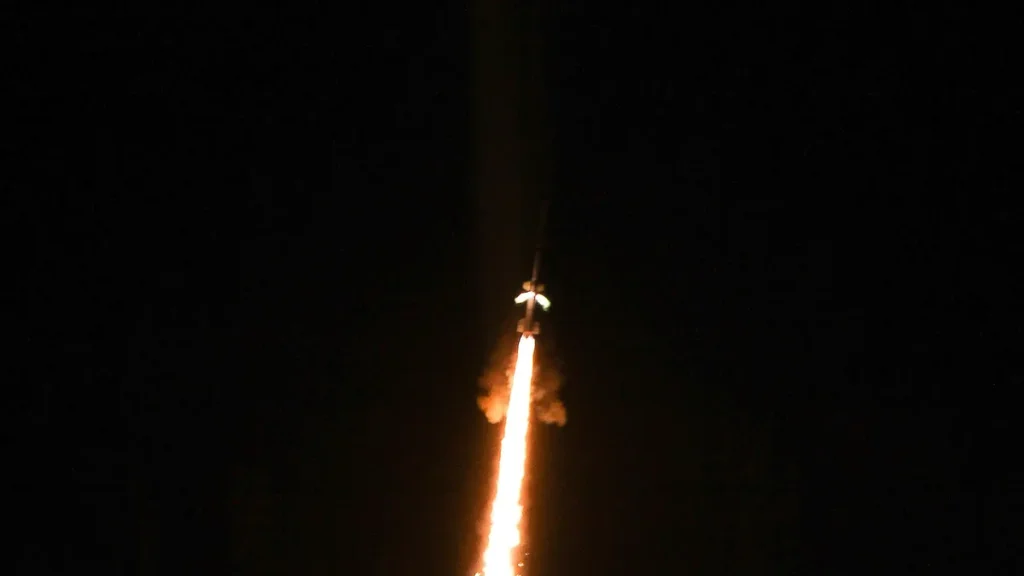
- The MAPHEUS-15 sounding rocket launched from the Esrange Space Center in northern Sweden in November 2024, reached approximately 310 kilometers above Earth and provided more than seven minutes of weightlessness.
- The team compared space-flown samples with samples kept on Earth and vibration-tested samples to separate flight effects from normal ageing and handling.
- Adebowale said that the results provide valuable evidence for designing medicines to better withstand demanding space travel conditions.
- Collaborators on the research came from the University of Nottingham, the German Aerospace Center, La Trobe University and the University of Warwick.
Adelaide University and the German Aerospace Center flew medicines more than 300 kilometers above Earth on a sounding rocket from northern Sweden in November 2024.
The MAPHEUS-15 sounding rocket launched from the Esrange Space Center, reached approximately 310 kilometers and provided more than seven minutes of weightlessness. The sources describe the altitude as approximately 310 kilometers and also as more than 300 kilometers. A sounding rocket is a suborbital research vehicle that carries experiments briefly into space before returning to Earth. The mission formed part of the StarMed experiment, an international effort to see whether medicines could survive space travel.
Researchers evaluated a protective coating made from chitosan, a natural material derived from crustaceans, while the samples endured strong shaking, higher gravity and microgravity more than 300 kilometers above Earth. The coating was designed to preserve medicine stability and controlled release despite those conditions, and the sources say chitosan helped keep the medicines stable and able to release in a controlled way. The rocket carried the samples into space and back. After the flight, the samples were recovered and returned to Adelaide for analysis.
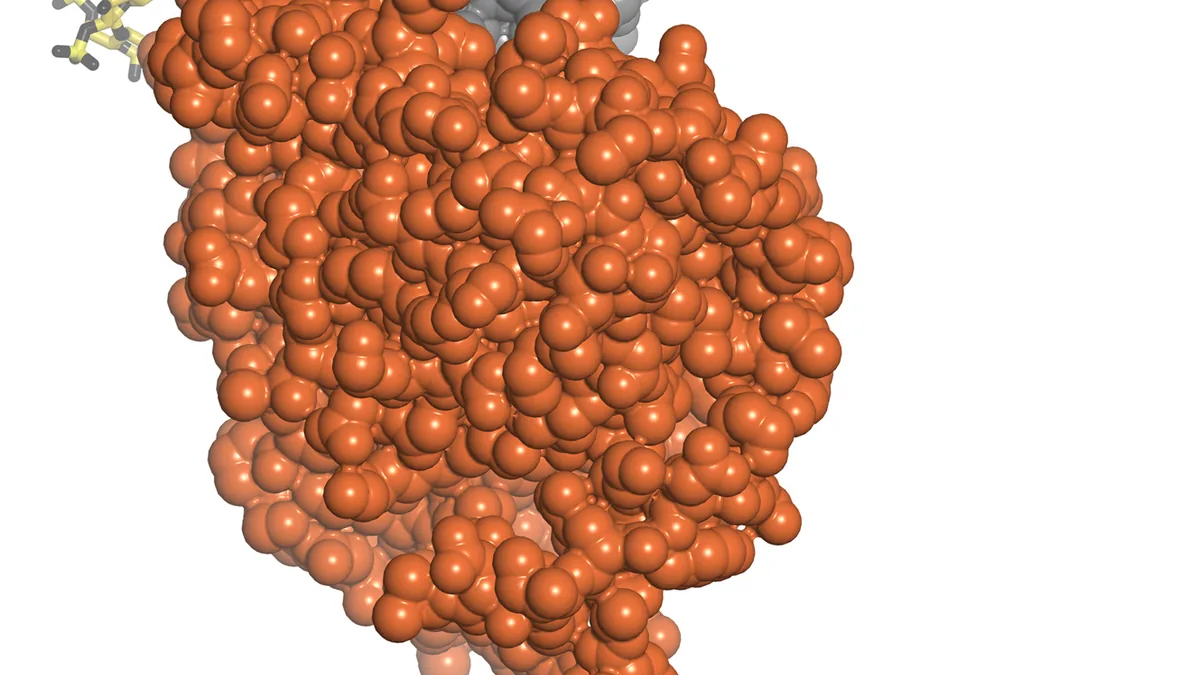
Adelaide University PhD candidate Modupe Adebowale led the study. She created tiny oil-based melatonin droplets called nanoemulsions in Adelaide, then sent them to Germany to be fitted into the MAPHEUS-15 sounding rocket before launch from northern Sweden. Melatonin is a sleep-regulating hormone.
She compared coated and uncoated versions during the flight. Researchers also prepared samples kept on Earth and vibration-tested samples so they could tell whether changes came from the flight itself or from ordinary ageing and handling that any sample would experience. Once the samples were on the ground, the team brought them to Adelaide to compare coated and uncoated versions and study how spaceflight affected the nanoemulsions.
Adebowale said the coated nanoemulsions maintained their size and stability after spaceflight and kept releasing melatonin predictably. She said uncoated droplets changed over time until the coating prevented those changes. She described the outcome as evidence that medicines can be built to endure space travel. “This gives us valuable evidence that we can design medicines to better withstand the demanding conditions of space travel,” said Modupe Adebowale, Adelaide University PhD candidate.
Professor Volker Hessel, a senior researcher at Adelaide University affiliated with the School of Chemical Engineering, the ARC Centre for Excellence in Plants for Space and the Andy Thomas Institute for Space Resources, called the findings an important advance in space medicine in 2026. He said astronauts need medicines that stay safe, stable and effective on Moon and Mars missions. Hessel added that medicines made for Earth may not work the same way in space, and that researchers need to find ways to protect them from the strains of space travel.
He said the trial shows that a basic protective coating can keep liquid medicines stable and working properly in difficult spaceflight conditions. Hessel linked the coating’s performance to the goal of keeping medicines reliable for crews on long trips to the Moon and Mars. Adebowale said the results provide valuable evidence for designing medicines to better withstand demanding space travel conditions. This comment came after she noted that coated droplets kept their size and stability and released medicine predictably following spaceflight.
Dr Jens Hauslage, a gravitational biologist at the German Aerospace Center’s Institute of Aerospace Medicine in Cologne, said in 2026 that robust drug delivery systems could aid health care where medicines face difficult transport, harsh environments or crisis regions, including on Earth. He added that longer space missions still need more testing, but he called the first sounding rocket flight a promising step toward reliable medicines for astronauts on any exploration destination.
Collaborators on the research came from the University of Nottingham, La Trobe University and the University of Warwick, working with Adelaide University and DLR on the StarMed study. Adelaide University led the study with DLR, while the additional university partners contributed to the research published in 2026.
The study appeared in Advanced Healthcare Materials in 2026. Advanced Healthcare Materials published the paper Stability of Medicinal Nanoemulsions to Spaceflight: Insights From the StarMed Experiment, written by Modupe Adebowale and co-authors. One of the news releases also lists media contacts and image access through the ARC Centre of Excellence in Plants in Space.
Back in Adelaide, the researchers analysed the returned samples to study how spaceflight had affected the nanoemulsions. They compared coated and uncoated versions side by side once the samples were on the ground. The analysis allowed the team to examine the effects of launch vibrations, increased gravity and weightlessness on the medicine droplets.




Join the discussion