NASA Universe released several space images described as astral oddities before Oct. 31, ahead of Halloween on October 31. The NASA Universe showcase included four observations that resemble eyes. NASA Universe asked, “Do you ever get the feeling you’re being watched?” NASA Universe said objects millions of light-years away can still appear to stare back at viewers and send shivers down viewers’ spines.
SWNS assembled a gallery of strange space images. One gallery image shows the Sun resembling a grinning pumpkin because solar plasma forms eye and mouth shapes. Another gallery image shows a screaming skull shape in the Perseus Cluster.
A third gallery image shows a huge red eye shape as planet Fomalhaut b circles its parent star. The eye-like appearance is connected to the planet’s movement around its star.
A fourth appears to show a massive face on Mars. NASA’s seasonal public outreach often highlights astronomical phenomena tied to holidays such as Halloween to engage the public. The outreach focuses on visually striking or culturally relevant cosmic events.
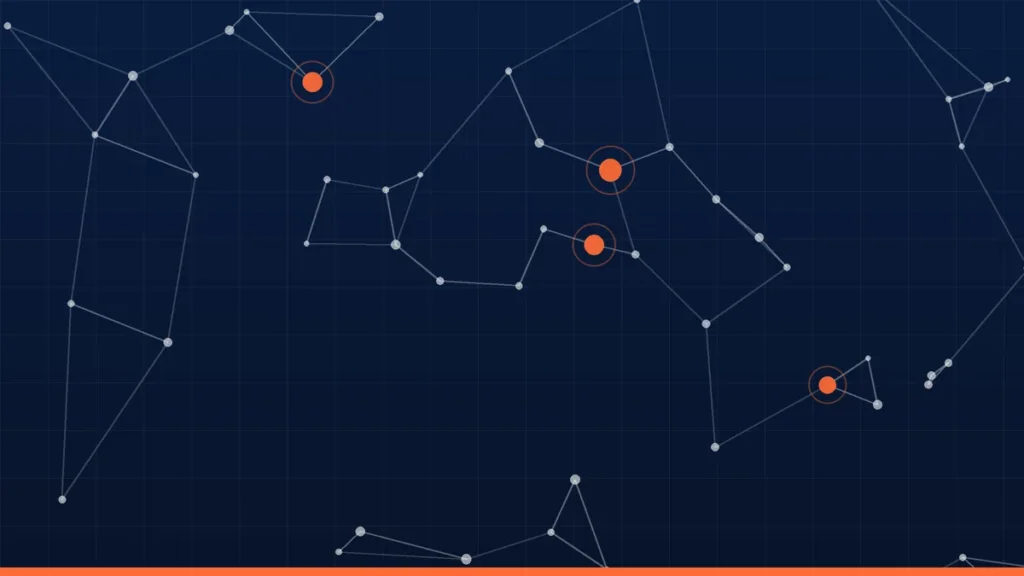
The Hunter’s Moon, which occurred on Oct. 26, 2026, is another seasonal astronomical event. It aligns with NASA’s public outreach efforts. The Perseus constellation contains Algol (Beta Persei) and is visible in the northeastern night sky during autumn. It appears near the constellations Andromeda and Cassiopeia.
Algol’s brightness varies due to its triple-star system, where two stars orbit a third. The system causes periodic eclipses that make Algol appear to ‘blink’ every three days.
The Witch Head Nebula (IC 2118) is a reflection nebula located between the constellations Orion and Eridanus. It is approximately 900 light-years from Earth. The nebula is illuminated by the nearby star Rigel.

Join the discussion