Key facts
- HyImpulse disclosed the successful test in a company update dated 27 November 2026.
- The thrust vector control system lets the SL1 rocket change course during powered flight by shifting the direction of its motor thrust.
- The HyPLOX-90 motor uses paraffin wax and liquid oxygen and will propel HyImpulse's three-stage SL1 rocket, designed to carry payloads weighing up to 600 kilograms into low Earth orbit.
- HyImpulse previously test-fired the 90-kilonewton HyPLOX-90 rocket motor for the first time in 2024.
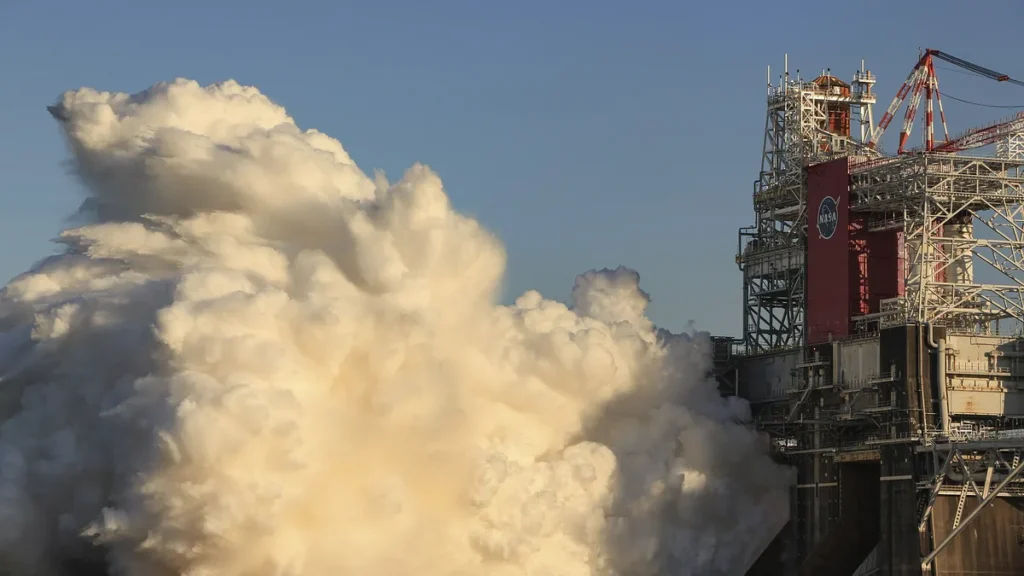
HyImpulse fired its HyPLOX-90 hybrid rocket motor with a thrust vector control system installed for the first time on 16 November 2026 at a new Mediterranean test site, marking a development milestone for the company’s SL1 orbital launch vehicle.
The test represented HyImpulse’s first use of thrust vectoring hardware on the HyPLOX-90 motor. Previous firings of the same motor did not include the steering system.
HyImpulse disclosed the successful test in a company update dated 27 November 2026, about eleven days after the physical test occurred. The company communicated the result directly to European Spaceflight.
A hybrid motor combines a solid fuel with a liquid or gaseous oxidizer. The HyPLOX-90 motor uses paraffin wax and liquid oxygen. It will propel HyImpulse’s three-stage SL1 rocket, designed to carry payloads weighing up to 600 kilograms into low Earth orbit.
The thrust vector control system lets the SL1 rocket change course during powered flight by shifting the direction of its motor thrust. Steering during powered flight requires changing the direction of thrust rather than adjusting motor output. The vector control system provides that directional change for the SL1 vehicle.
HyImpulse previously test-fired the 90-kilonewton HyPLOX-90 rocket motor for the first time in 2024.
In a statement dated 16 October 2025, HyImpulse said it expected SL1 to begin orbital payload deliveries in 2027. HyImpulse last publicly set a target year for inaugural orbital service in October 2025. That schedule preceded the steering system hot fire. After the 16 November test, European Spaceflight requested an updated schedule, but HyImpulse declined to give specific dates for SL1 integrated testing and its first flight, saying it would share timeline details only once they become available.
HyImpulse developed SR75, a smaller suborbital rocket that debuted on 3 May 2024 at South Australia’s Koonibba Test Range. SR75 is a separate vehicle from the orbital SL1 program. In October, HyImpulse said SR75’s second flight, originally expected in late 2026 and set to launch from SaxaVord Spaceport in Scotland, moved to spring 2027.
The company offered this comment on the program: “HyImpulse is currently progressing preparations for the first SL1 launch.”


Join the discussion