Key facts
- The best time to look for the zodiacal light is about 90 minutes before sunrise.
- A dark sky with minimal light pollution improves visibility; the darker the sky, the better the chance of seeing the zodiacal light.
- The zodiacal light is produced by sunlight scattering off interplanetary dust grains located in the plane of the solar system.
- The dust originates mainly from comets shedding material and asteroid collisions, with a possible contribution from Martian dust storms.
Wondering how to see the zodiacal light on October 10, 2026? The phenomenon appears as a faint, triangular glow in the eastern sky before dawn, and this year’s New Moon gives a moonless backdrop that boosts contrast.
On October 10, 2026, the New Moon occurs at 11:50 A.M. EDT, leaving the night sky dark when the zodiacal light is best viewed. Sunrise at the sample coordinates 40° N, 90° W occurs at 7:06 A.M. local time. The best time to look for the zodiacal light is about ninety minutes before sunrise. Some sources indicate the optimal viewing window may range from ninety to one hundred twenty minutes before sunrise.
For the location at 40° N, 90° W this means observers can begin looking roughly one hundred twenty minutes before sunrise and focus their efforts around ninety minutes before sunrise. Face the eastern horizon as twilight fades and look for a soft, pyramid‑shaped glow that rises from the horizon toward the constellations Leo, Cancer and Gemini. The glow follows the ecliptic, which you can trace using the bright planet Jupiter in Leo and the reddish planet Mars in Cancer.
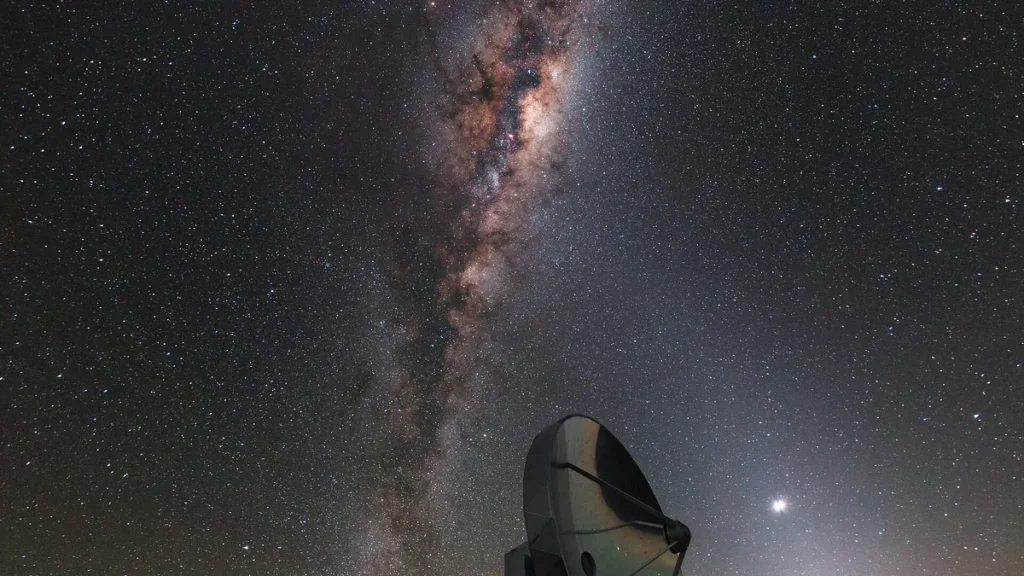
The zodiacal light is produced by sunlight scattering off interplanetary dust grains located in the plane of the solar system. Most of this dust originates from comets shedding material as they approach the Sun and from collisions between asteroids. A smaller contribution may arise from fine material lofted during Martian dust storms. Under truly dark skies the zodiacal light can shine brighter than the central disk of the Milky Way.
Other observers describe the light as roughly comparable in brightness to the Milky Way but with a milkier, more diffuse appearance. In the Northern Hemisphere the zodiacal light is visible before dawn from late August through early November, with best viewing around the September and March equinoxes. For the October 10, 2026 date the New Moon provides a moonless sky, enhancing the contrast needed to see the zodiacal light against the dark background.
A dark sky with minimal light pollution improves visibility; the darker the sky, the better the chance of seeing the zodiacal light. Stargazing apps such as Sky Tonight can display local sunrise and set times and overlay the ecliptic line to help plan observations. Visibility map: Imagine standing facing east as darkness settles. The base of the triangular glow sits just above the horizon, its apex pointing upward along the ecliptic toward the zenith.
The left side of the triangle aligns with the constellation Leo, where Jupiter shines brightly; the right side runs through Cancer, where Mars glows reddish. If you can locate Jupiter and Mars, draw an imaginary line between them; the zodiacal light should sit roughly along that line, rising from the horizon. Best‑time bullet list for October 10, 2026 (local time at 40° N, 90° W): – Begin looking about one hundred twenty minutes before sunrise.
The most often cited sweet spot is around ninety minutes before sunrise. – If the sky is exceptionally dark, you may still glimpse the glow closer to sunrise. What to watch next: After October 10 the zodiacal light stays visible before dawn through early November, though the glow gradually diminishes as the Sun’s angle changes. Around the March equinox 2027 the phenomenon will return to the evening sky, appearing in the west after sunset for observers in the Northern Hemisphere.





Join the discussion